author
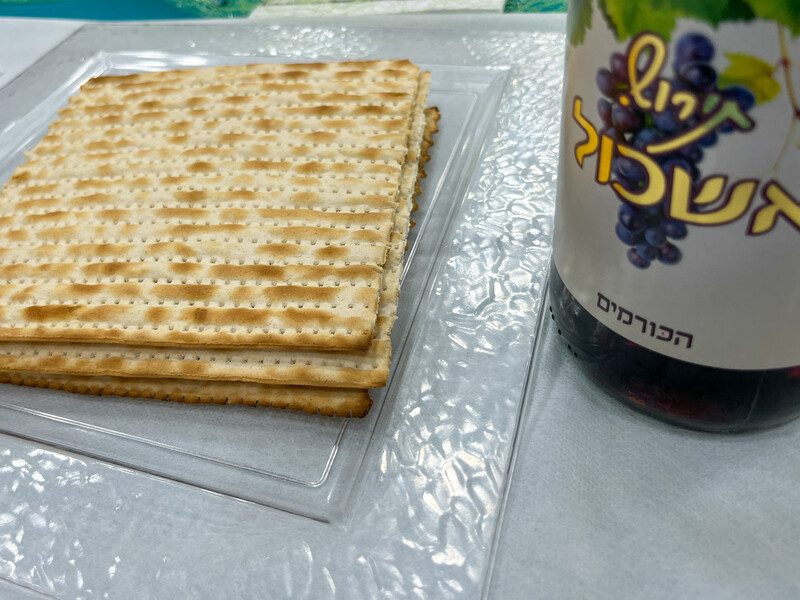

Growing up celebrating Passover meant lots of preparation—cleaning the leaven from our house to the point that we had to burn it and make it disappear. It wasn’t just my family doing this, but a national effort gearing up for the holiday. The homes, streets and public places had to be free of leaven.
The biggest moment is the Seder, held on the eve of the Passover holiday, when we gather to read the Haggadah, a text which helps us that remember the Exodus from Egypt and worship God for the freedom He gave the Jewish people. A significant part of the Seder is a traditional meal with food items that remind us that we were once slaves, and now we are free.
Passover is a Biblical holiday, an appointed time given by God:
"Speak to the Israelites and say to them: ‘These are my appointed festivals, the appointed festivals of the Lord, which you are to proclaim as sacred assemblies .... These are the Lord’s appointed festivals, the sacred assemblies you are to proclaim at their appointed times: The Lord’s Passover begins at twilight on the fourteenth day of the first month. On the fifteenth day of that month the Lord’s Festival of Unleavened Bread begins; for seven days you must eat bread made without yeast. On the first day hold a sacred assembly and do no regular work." Leviticus 23:2, 4–7 (NIV).
The appointed times of the Lord were not given without meaning; they are revelations within our calendar. It’s not just about the past or the present—it’s very much about the future as well.
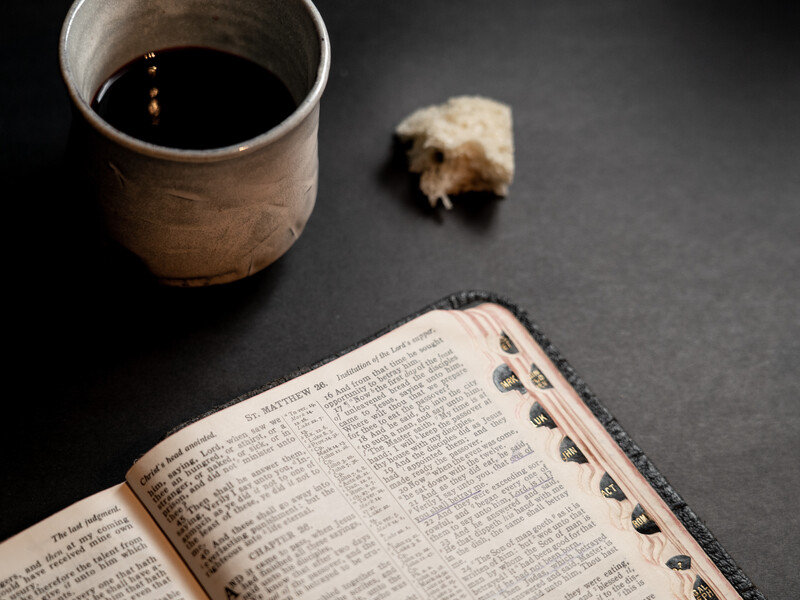
Jesus kept the appointed time by celebrating the holiday, doing very much as we do today; He went up to Jerusalem during Passover as was commanded, and the night before His crucifixion, He had a special meal with His disciples—the Seder meal, which is also called the Last Supper.
When Jesus revealed Himself as the Passover lamb, the message that was always there in the Scriptures could be fully understood.
It is a true eye-opener. When I first saw the connection; I was in awe:
Firstly, the idea of Passover is a picture of the message of salvation—if your house was marked by the blood of a lamb during the plague of the firstborn, you and your household were covered and safe. Today, if you want to escape judgement, you must be covered by the blood of the Lamb, Jesus, in order to be saved.
Secondly, it is a holiday that reminds the Jewish people of our past in Egypt, where we were slaves, but now we are free. And during the Haggadah reading, after declaring that we are free indeed, it moves into worship. Again, it is a beautiful picture for all new-born believers in Jesus—we were once slaves to sin, but now we are truly free, and He is worthy of our worship and all our praise.
Jesus' last week in Jerusalem brings to mind a great deal of symbolism between the Passover lamb and Jesus as the Lamb of God. It begins with His triumphal entry and continues through the days of questioning and testing Him, trying to find fault in Him—just as a lamb would be brought into the house to be examined before it was sacrificed. Jesus was crucified just in time to become that sactifical Lamb.
I cannot describe how meaningful the Passover holiday has become for me since the prophetic truth of it was revealed. It has become a deeply meaningful tool to share the basics of salvation first with the Jewish people, but also with the Gentiles.
I now pray that my people will have the veil lifted from their eyes, so they may also see the marvellous plan of salvation that our God has set for Israel—and for all the families of the earth—already from the beginning of time.
*name changed
Share On Your Socials
Gabriel equips local believers to share their faith in a world of division and conflict in Israel.
Petrus and Maria (South Africa) were led to radically give towards the needs of a family in Israel, not knowing how God would provide for themselves—and were blessed over and abundantly beyond what they hoped or even asked for.
Leaving Latin America for Israel, the Navarez* family never expected some of the people God would lead them to in the country would be Latinos.
"It was not until I came to a Jewish understanding of the Bible, however, that I realised the true meaning behind Easter," shares Gersham.
One moment of obedience led to two men choosing to follow Jesus — despite the possible cost to their livelihoods.
Having experienced God’s love and power personally, Manuel shares the gospel with everyone he meets in Israel.
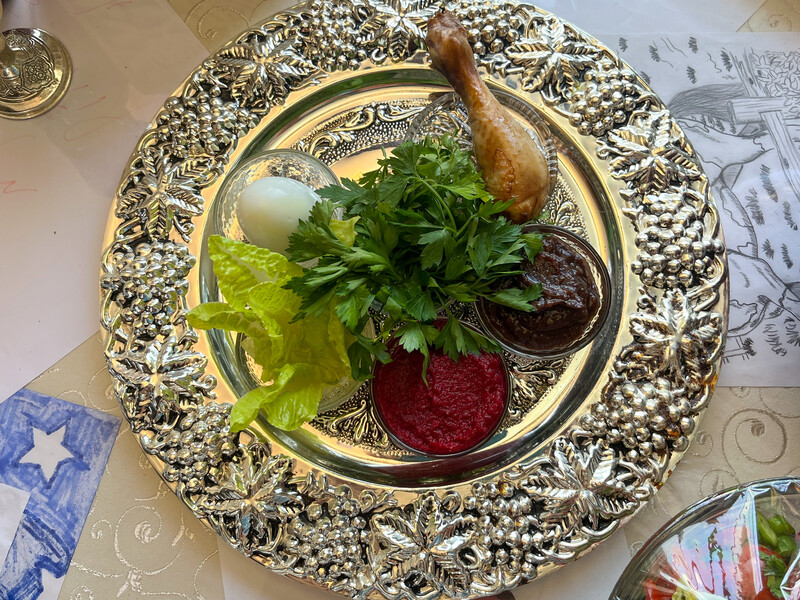
As the biblical feast of Passover approaches, Alicia shares the event’s personal significance for her family, as well as the global family of believers.
By opening their home and inviting others to join them in studying the Bible, Esau and Alicia have seen God multiply their investment in hospitality.

An OMer in Israel reflects on what it means for Jesus to be the hope of all the world.