author
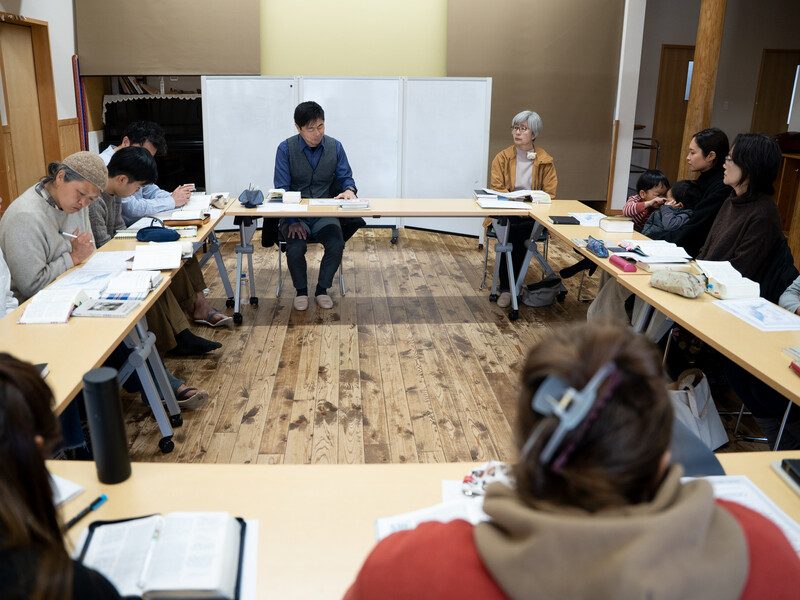

OM worker Kenji (Japan) says, “Japanese churches are in big trouble, and for the few numbers of churches that we have in Japan, we have 175 denominations. It is an unhealthy number of denominations.
“So we really need to bring down the walls of denominational barriers for Christians to work together. That starts with talking, meeting and praying, and seeing where the Lord is going to lead.”
In Mie Prefecture, in the southern part of Japan’s main island, the OM team visualises the challenge facing churches with a coloured map.
Kenji (Japan) explains, “I created this map for giving updated information about all the churches, where they are located, and specifically highlighting areas in reds and purples.
“Red is an area that has no church. Either it has never had a church in its town history or all the churches have closed down because Japan is in a trend of churches diminishing. Beside the red there is purple, which is an area where a church is in danger; unless there is some outside intervention or external help, all of these areas will soon become red.
“Looking at the map, you can see almost 50 per cent of Mie is red or purple. So that's pretty significant. This province is kind of like an overlooked area. OM is the only interdenominational mission that exists in this province of 1.8 million people. And the number of Christians here is about 1,000.”
Between 2023 and 2024, the OM team conducted a survey of 59 churches across different denominations in Mie, gathering information on young people who regularly attend church service. In 40 churches, there were no young people under the age of 30, and across all the churches, there were only 79 students in grades one to six of primary school who attended Christian services.
Compared to a government census of how many primary school children are in the province, this number is less than 0.1 per cent — less than one out of a thousand students goes to church.
“I go to so many different churches in Mie,” Kenji says. “When we walk into a church in Mie, we assume to see only senior citizens, 65 and above, up to 90 years old." Churchgoers who are not senior citizens are often people with a disability, shares Kenji, adding that many churches in Mie are less than 10 people.
“So, it is very hard to engage a church that is actually catering for the real needs of younger people. But, by God's grace, I had a connection with people in the northern area, central and southern. I wanted to connect them to each other, so two years ago, I started the Mie Mission Network.
“Out of that, in 2023, two of our committee members started a monthly gathering of pastors, evangelical, charismatic, mainland churches, united churches... They come together every month to pray for each other because the pastors need encouragement.”
A few years ago, Japanese churches conducted a survey. They named the result the "Year 2030 Problem” as by the year 2030, the number of Japanese churches will have halved.
In response, churches have begun to work together in Mie, and Kenji now spends much of his time working towards church and mission collaboration. “We are the only interdenominational mission organisation that exists in the entire Mie prefecture,” he explained.
“There are many churches, but most churches are very weak, and quite a few churches don't have any leaders. In the beginning, we wanted to match up the seekers with the Japanese churches, but we found it very difficult.
“We found out that the reason the churches are not very motivated to do mission is because the leaders are not loved. We believe that if the leaders who are loved and blessed, the blessing from God will flow. So we started to help the pastors, and that actually helped us to develop a wide network of different pastors.”
A prayer group for the pastors has grown from fewer than 10 in the northern part of Mie to a whole network of prayer covering the whole area.
“I decided to start having pastors meeting together, encouraging them to pray for each other because with the shrinking and dying population in Japan, the only way for the churches to survive is for them to work together. And that starts from the pastors meeting together and praying for one another instead of working with suspicions and competitions.”
Kenji’s vision for the future is to empower the church members in Mie to take action. “We are not a strong or popular province like Tokyo, where there are many missionaries and many young people, but God gave a vision to my wife and I,” he explained. “Rather than focusing on what we don’t have, we decided to focus on what we already have – many ‘senior citizen Christians'. So we decided to turn that into a resources for prayer for unreached people in Japan.”
OM has published a booklet of '30 days of Prayer for Mie prefecture' with information on how to pray for each city each day for 30 days. “We will mobilise senior citizens in this prefecture as prayer warriors,” Kenji said. “They might not be able to go to places and do as much physical action, but they certainly have time. We want to turn that into prayer resources for missions in Japan!”
Pray for the church leaders who attended Japan's National Evangelical Missions Conference in October. Pray for them to feel invigorated by meeting with other leaders and encouraged to work together in the future.
Give thanks for the 'senior citizen Christians' who will be using the prayer guide. Add your prayers to theirs for the Mie prefecture, that the churches will see growth and that they will be able to impact their communities with the gospel message.
Thank God for the religious freedom in Japan, which allows Christians to share their faith without fear. Pray that they would have the right words and that those they speak to would be open to hear about Jesus.
Share On Your Socials

In 1975, 20-year-old Rodney joined Logos, embarking on a 50-year commitment to missions. Inspired by her parents’ example, his daughter Marianne pursued missions as well, leaving behind her career plans.
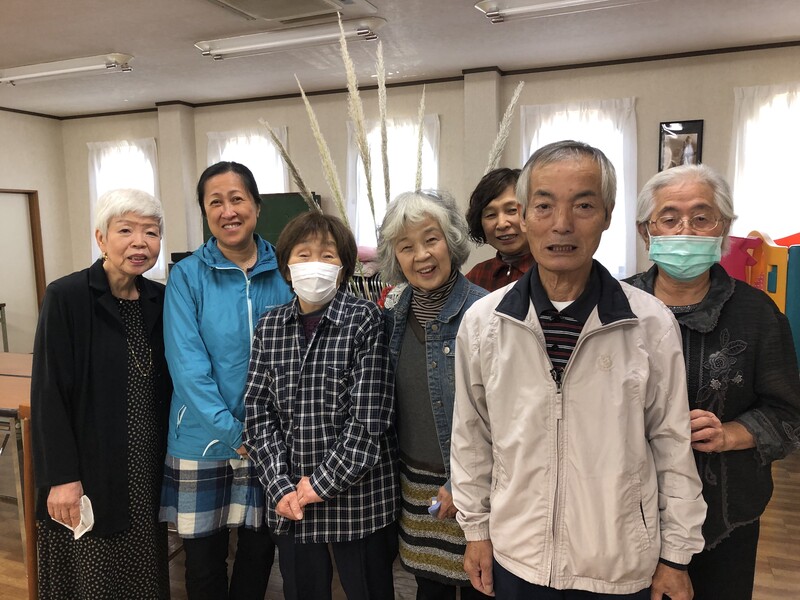
Michelle has been actively involved in outreach and church planting in various regions of Japan. She encourages the local churches in rural areas of Mie, despite the challenges and resistance faced in these regions.

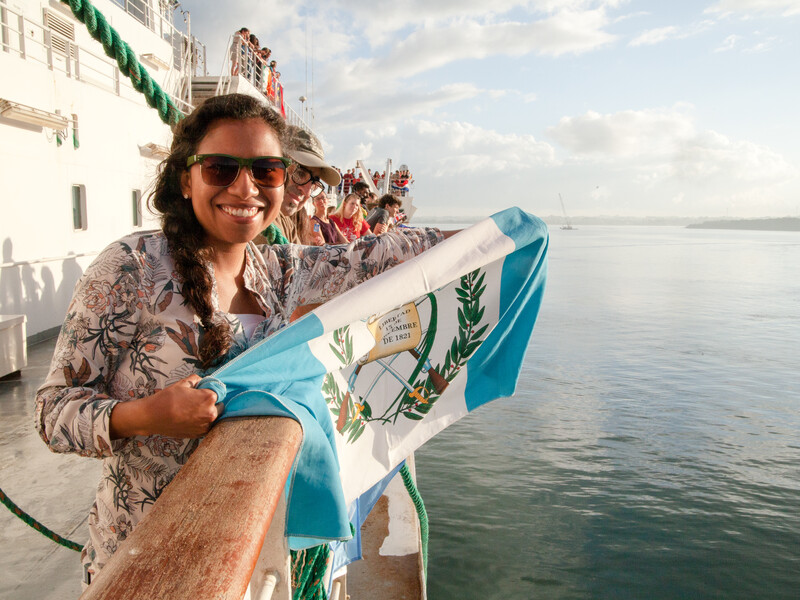
For more than a decade, Ruth has dreamt of helping people all over the world. Now God is sending her to serve alongside her husband on OM's newest ship.
When Ahsan, a new believer from a Muslim background, shared with one of our workers than he had difficulty believing in the power of prayer, he never imagined that he would see his own prayers answered within a few days.

Lorrin recently took on the role of children's ministry coordinator for Africa Area. Her own childhood experiences inspired Lorrin to provide a safe space for young people where they can be fed spiritually and physically.
Gordon and Julie have seen people journey from an initial interest in the gospel to dedicating their lives to God. Sometimes this journey takes many years to complete.

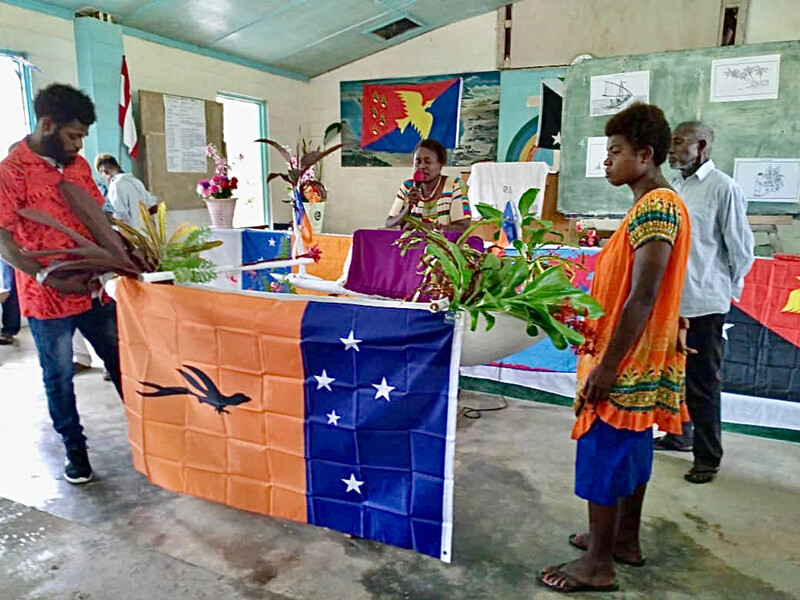
An outreach as part of a mission training programme run by OM in Papua New Guinea is bearing fruit both in the trainees themselves and in the communities they visit.

Melanie spent years praying and preparing while she waited to move overseas. Having moved to the Caucasus region in 2023, she can see how everything happened in God's timing.
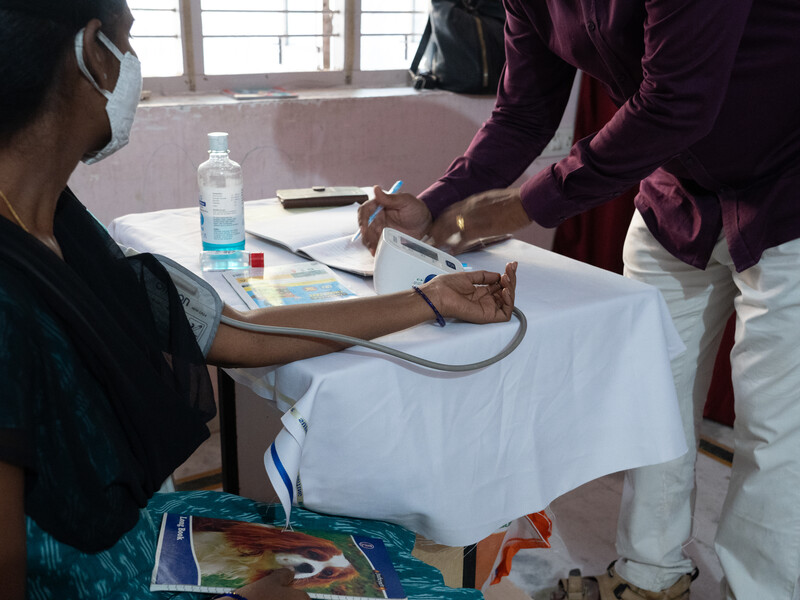
Riya* and husband Pranav* (South Asia) have seen God at work through their work with AIDSLink, where they share God's love with those affected by HIV and AIDS.

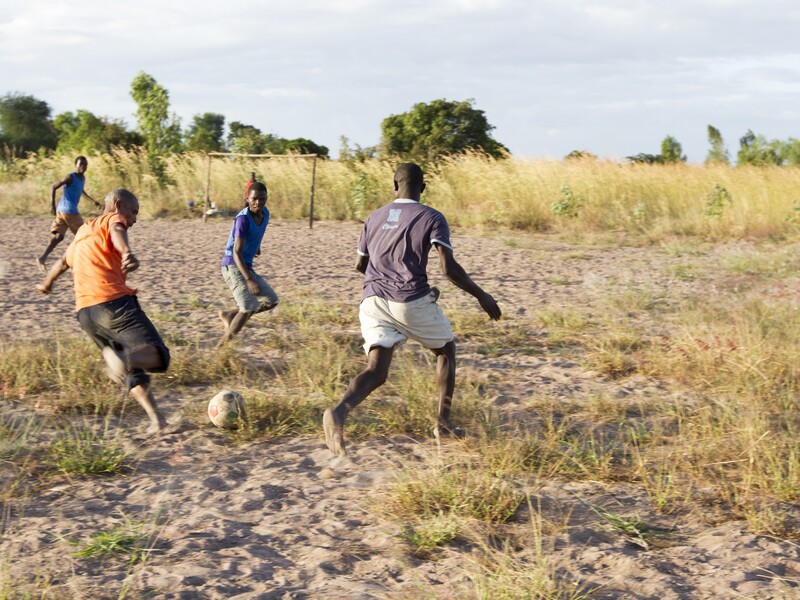
Sports can provide opportunities for conversations about right and wrong. Coaches Rhoda (Zambia) and Rojas (Tanzania) share stories of lives transformed by sports ministries in Africa.

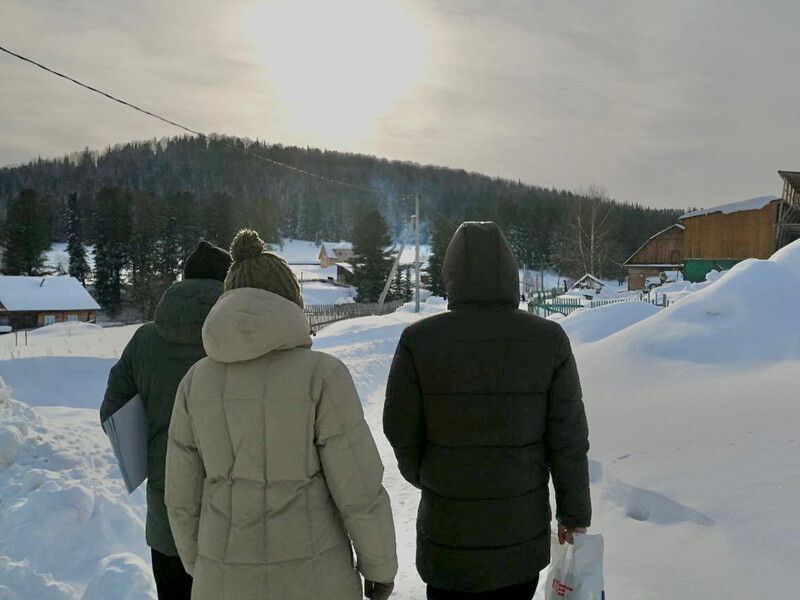
Students on the REACH training programme have been using the power of friendship to build relationships and bring the gospel to some of the least-reached parts of the Caucasus.

In 2024, teenagers from the North Caucasus took part in the region’s first ever TeenStreet event.