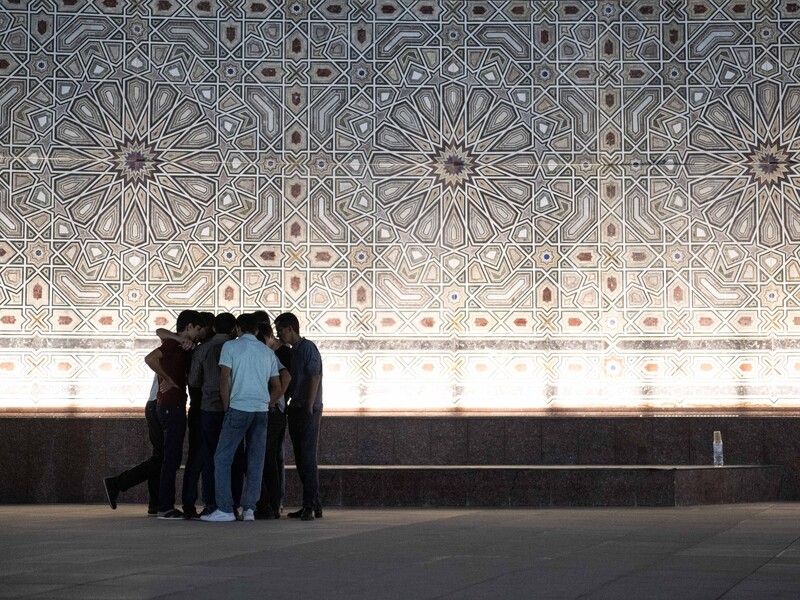
In February 2023, a celebration several years in the making occurred as the participants of the first ever REACH: Central Asia North (CAN) concluded. For the leadership team, the graduation was a significant moment. It was a time to reflect on all God had done, consider the present moment, and seek guidance as they look towards the future. REACH: CAN, a five-month discipleship training course, is designed to equip participants to go and share the good news with others in the region and is particularly strategic in countries where church growth has been marginal.
Rasul*, one of the leaders of REACH: CAN says the programme is vital in bringing vision to Jesus followers from Central Asia: “The Church [in this region] is still very slow [to expand]. The Church’s legacy comes from before when there was more freedom. The population has grown, but fear in the Church to go outside [itself] is also growing. And it’s been so for a number of years, so, the Church is not growing. “
Maintaining cultural identity
Rasul says fear stems from both the government and society. Since 2012, laws forbidding the distribution of Christian literature and openly sharing about faith in Christ have limited the church’s activity. Additionally, people in the region are sceptical about what it means to follow Jesus. After many years under Soviet rule, people from the region tend to think: “[Jesus Christ] is a Russian God, not our God. We are Muslim. Our book is the Qur’an. Our God: Allah,” explains Rasul.
Persecution for following Jesus also emerges from this mindset. Believers may be threatened, abused or thrown out of their families. In a culture where everything — including employment — hinges on relationships, the consequences are significant.
Because of these barriers, Rasul explains it is important to teach local participants how to specifically serve and reach their friends, families and communities: “We try to help the local church [by] providing literature in the local language, using local traditions and cultures…not to be westernised, but help Central Asians, be and stay, Central Asians.” For example, a Jesus follower might break the fast with their Muslim neighbours and relatives during Ramadan, using that time as an opportunity to share more about who they believe in. Or they might use shared holidays such as Women’s Day or Children’s Day to celebrate together and build bridges.
Disciples make disciples
REACH: CAN aims to stoke passion and equip its participants in these cultural conversations and many other skills: “I learnt how to go and [greet] a person I have never met before and start a conversation…to ask questions about…what they believe and share what I believe,” shares one participant. She now has an eagerness to apply all she has learnt: “I don’t just want to stay here; I want to share with others, to help others to grow in their faith and help them be set free from the lies they believe.”
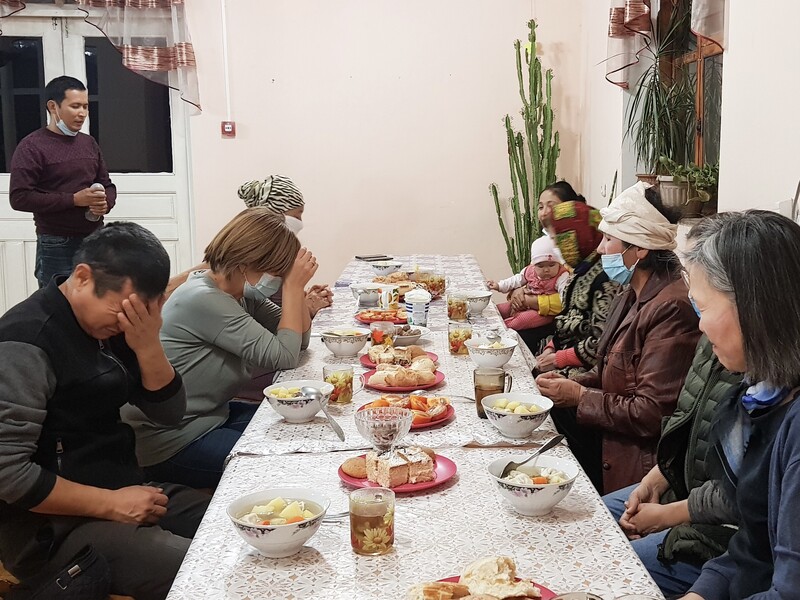
Another participant came to REACH: CAN after working for the United Nations for several years. Through that experience, she realised that only Jesus could bring long-lasting change for people in her country. She anticipated the missions focus of the discipleship programme and learnt much as they engaged in outreaches and prayer walks, sharing the gospel in markets, cafes, parks and hospitals. What she did not expect was learning how to be in the fullness of God or the enjoyable time she shared with the group as they cooked, spent time in the mountains and learnt together.
One woman experienced an expanded vision for the region beyond her own country. Previously, her mindset had been to share the message of Jesus to those within her own borders. But the programme expanded her thinking: “REACH showed me we have…many groups of people with their own tradition and their own language…in Central Asia. We need to be with these people, and we need to walk with these people, also,” she shared at the graduation ceremony. Now she works with OM while simultaneously working as a nurse. “She’s doing this [medical] work to be light and salt, more missions-minded,” says Rasul.
The hope for each REACH: CAN participant is transformational growth in their own journey with Christ, a deepened heart for the nations and an equipping to love, serve and work among Central Asians. Leaders are currently praying and planning for the next cohort in July. They meet monthly with pastors from various churches in the region: eating, talking and praying together. These church leaders have been invited to come and see where the ministry meets and learn more about the programme; partnering with local churches is vital in drawing more disciples to the training. In the end, discipleship is what REACH: CAN is about. After all, as one REACH: CAN leader expressed: “Only true disciples can make disciples.”
Pray that the graduates from the first cohort will be fruitful and use all they learnt from the training in their various communities. With a capacity for 14 students, pray that God will draw many others to participate in the next cohort. Finally, pray that God would unite the Central Asian Church in a vision to equip and send out more workers and that many people would respond to the call to share the love of Christ in Central Asia.
*name changed