author

Having lived in the Middle East North Africa (MENA) in their 20s and 30s, the area was not new to David* and Jonna* when they moved back in 2021. Yet, returning in their 50s after their children had grown up, they found they did not know what to expect; not only had the area changed, but they had changed, and how people interacted with them had changed. “We were no longer the young people who need to be fed and need to be taken into homes,” said David. “All of a sudden, people looked to us like people who live here, have their own lives and therefore should not be bothered unless they ask for help.”
These changes created challenges in building relationships.
“We were meeting people our age, and many of them are very set in their thought patterns; they have started praying because they’re getting older, ready to die, and they want to be living as praying Muslims when they die. They were not very open-minded, and we were struggling quite a lot about what are we going to do? How are we going to reach them?” David remembered.
When they arrived, the city of nearly 100,000 had no other Jesus followers — either expat or national. Familiar with being pioneers on the mission field, the couple were not fazed. Still, as they got used to the city, “we sometimes walked around looking at each other going: ‘What in the world are we doing here?’” Jonna recalled.
“How are we going to engage deeply in this society?”
The answer lay in the giftings and talents God gave them. A combination of the arts, music, business and a genuine interest in people created opportunities for the couple to reach out to those around them. “The city we live in is not the most exciting one; it’s not the fast result one, it’s conservative. People are not known for being open-minded — not known for loving any arts either, for that matter,” said David. Yet, the couple’s interests allowed them to connect with local people, building trust and opening up doors for relationships and sharing the gospel.
“Creative people tend to be more open to thinking differently than the people around them, so those are the kind of people we want to meet,” Jonna said.
“Creative people also tend to be people who change their lives and the societies around them, which is why local artists appreciated that we focus on this, that we are encouraging creativity because they want to see their societies developed,” remarked David.
One day, an artist friend invited David to have coffee with him and a few others. The discussion touched on various topics before the men started talking about Western culture and Christianity. They all agreed that Christians were very tolerant because Jesus told His disciples to turn the other cheek. “This group of five men discussed Christianity for about 15 minutes,” David recalled. “I sat there quietly listening as they discussed.”
When the conversation wound down, David asked if he could share his thoughts since, “after all, I’m the only Christian at the table,” to which they all agreed. He shared that growing up, he had been very religious but realised that religion was not the answer to life; having a personal relationship with God was, and, from that relationship, the ability to receive and give forgiveness.
“I shared how my life has been changed by the power of forgiveness,” said David. “And as I was sharing, people agreed, saying: ‘Good, this is really what we need to hear about forgiving others; that’s what we need in our society: people forgiving others.’
“One of them said, ‘Yes, this is what I’ve said all my life. I’ve told you guys before, if I wasn’t an atheist, I would have been a Christian.’”
The man, Sami*, has since become a friend. In David, Sami found someone who respected him, acknowledged his beliefs and was willing to talk openly about faith, doubts and whatever else was on his mind. Living in a conservative Muslim society, Sami — as well as others David has met —cannot openly say he is an atheist and must hide that part of him. “They are so lost, and they just have no clue,” David shared. “All they have decided is that religion is not for them, and they don’t have an alternative, so they call themselves atheists, while in fact, they still have faith in something more."
Open and honest conversations provide opportunities for David and Jonna to share about the love of Christ and plant seeds that they pray will one day grow.
In the two years David and Jonna have been in their city, they have established many relationships but found only a handful of people interested in learning more about the Bible. One of them is Tarek*. The couple were surprised to learn they were not the first Jesus followers Tarek had spoken with.
Tarek had made Christian friends online who shared their faith with him, planting seeds in his life over time. When a few young people visited David and Jonna, they met Tarek, who was intrigued to see that the young people’s way of life — both their actions and their words — matched what his online friends had told him about Christianity.
Interactions with Jesus followers — both virtual and in-person — have planted seeds in Tarek’s life, nurturing a curiosity and openness to the gospel. And he is not the only one. Due to rapidly developing technology and an increasingly globalised world, people living in least-reached places have access to the Bible and Jesus followers like never before. One effective way David and Jonna have found to reach people with the gospel is to be available and willing.
Recently, David went to do an errand and ended up meeting two new people and having coffee with them. “That’s not how I planned my day,” he said. “I had planned to be doing administration the whole morning. But I felt that the administration could wait; it’s better to take some time with people.”
Though the errand could have been completed in five minutes, David decided not to be in a hurry or looking at his phone. Instead, he set out open to God’s leading and prompting. By the end of the morning, he returned home full of coffee and with the contact info of the men he had met.
“Sometimes it’s just taking a very normal, everyday thing and making it into an opportunity to meet people,” explained Jonna. “For me, being available and willing is very much about doing everyday things, but doing them with a sense of purpose of interaction.” This mindset turns leisurely walks into opportunities to pray for people and trips to the market into accepted invitations to meet up later.
People are often friendly and interested in meeting foreigners. David explained the key is “to be open-minded and look relaxed. I know how I can look very busy, and no one will talk to me. And I know how I can look very relaxed, and everyone will talk to me. It’s an attitude, and it’s not other people’s attitude that’s the problem; it’s my attitude that’s the problem. How do I come across as I’m walking into that shop?”
David and Jonna met in the country they currently serve in, though neither are from there. They fell in love, got married and had children, all while sharing the love of Christ with those around them.
The family could not stay in the country for various reasons, and, after over 15 years, they left. However, they didn’t go far and spent time in other countries in the region. Eventually, they returned to David’s home country, where they continued to share Christ’s love with people from MENA.
“We always said, the day will come when we will return,” remembered Jonna.
Years passed, their children grew up, and the desire to return remained. After a visit in 2019, David and Jonna felt it was time to start making their way back to the region.
Looking back on their journey, Jonna said, “God is always preparing you for the next thing that comes. You realise that very much when you’re young, but when you get old, you kind of think maybe I’ve arrived now, but no, God is still preparing everything. Every single time we make a new step forward in whatever God is asking us we realise, wow, God has actually prepared us for this. The end of the story isn’t written yet, no matter where you are in your life.”
Praise the Lord for the seeds He is planting in people’s hearts! Pray for believers to be available and willing as they interact with people who do not know Christ. Please pray for workers like David and Jonna as they work in least-reached areas worldwide; pray for perseverance, creativity and meaningful connections with people.
*name changed
Share On Your Socials
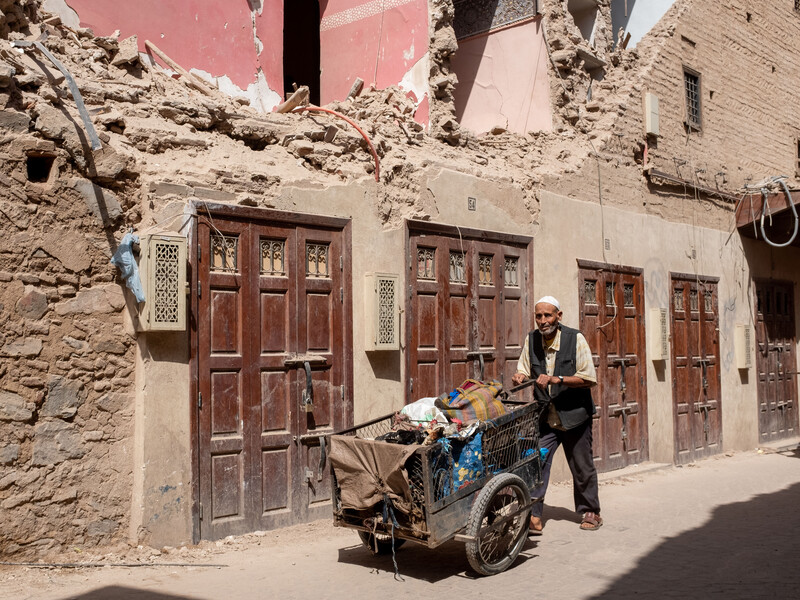
In 2023, the Middle East and North Africa (MENA) area experienced crises ranging from natural disasters to full-scale war, yet gospel workers are seeing God work in unexpected ways.
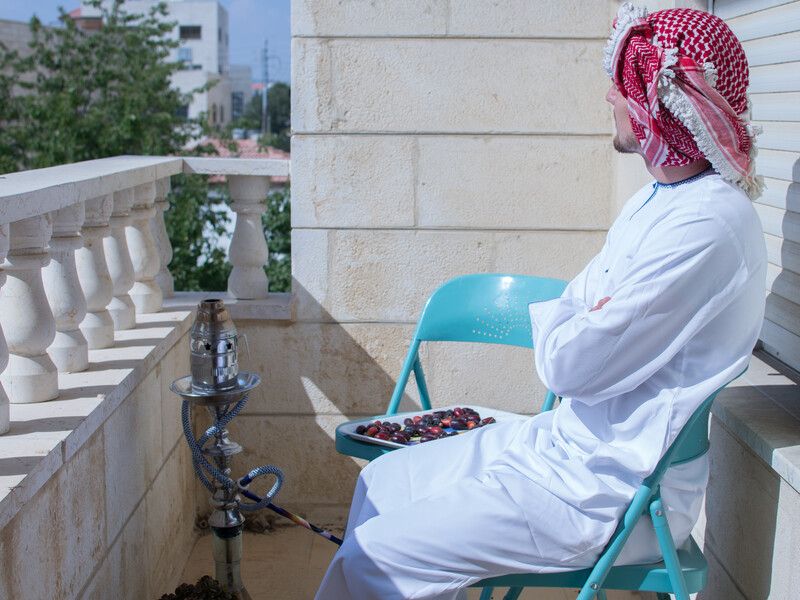
When Ahsan, a new believer from a Muslim background, shared with one of our workers than he had difficulty believing in the power of prayer, he never imagined that he would see his own prayers answered within a few days.
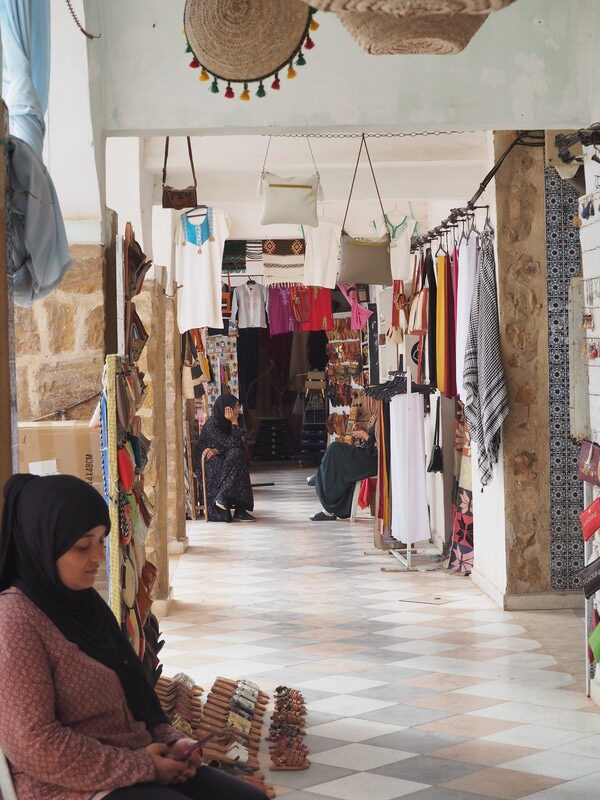
Step into MENA is unique because it does not require a long-term commitment to discover what life is like as a long-term worker in the MENA region.
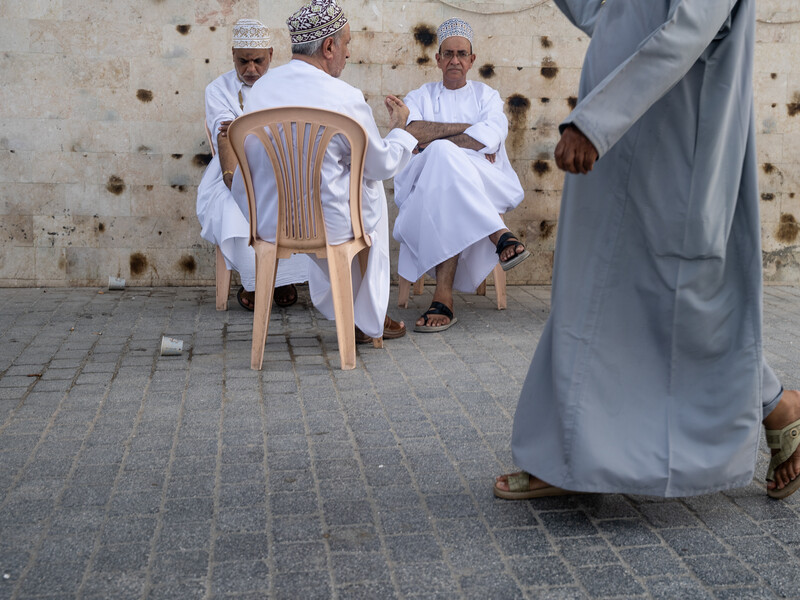
David*, a Yemeni refugee believer living in the Yemeni diaspora, shares about the challenges and opportunities in the growing Church in his community.

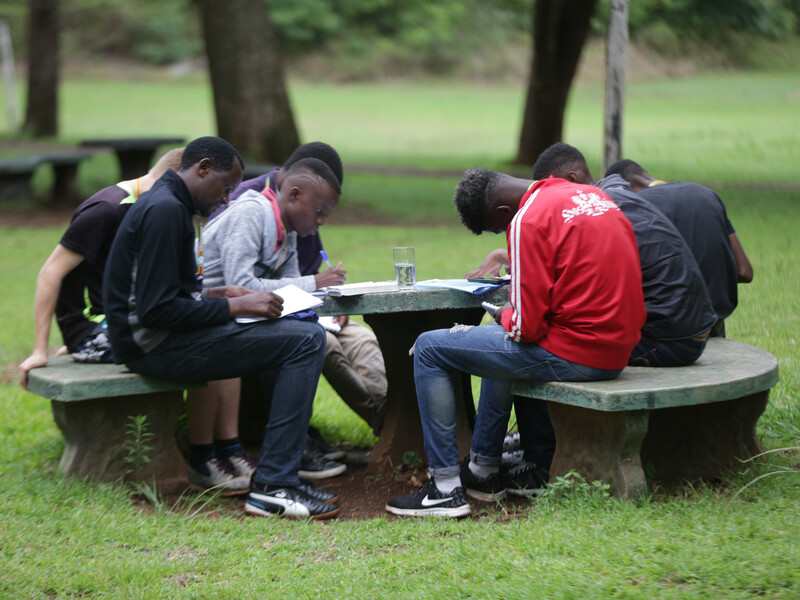
TeenStreet (TS) is an international community of young Jesus followers that focuses on inspiring and equipping teenage Jesus-followers to catch God’s heart for the least reached. In the Middle East and North Africa, this has many unique contexts – and God is working in each one.

Through unexpected opportunities and the openness of the young adult generation, Peter and Eve have seen the arts open more than just doors; they are opening hearts.
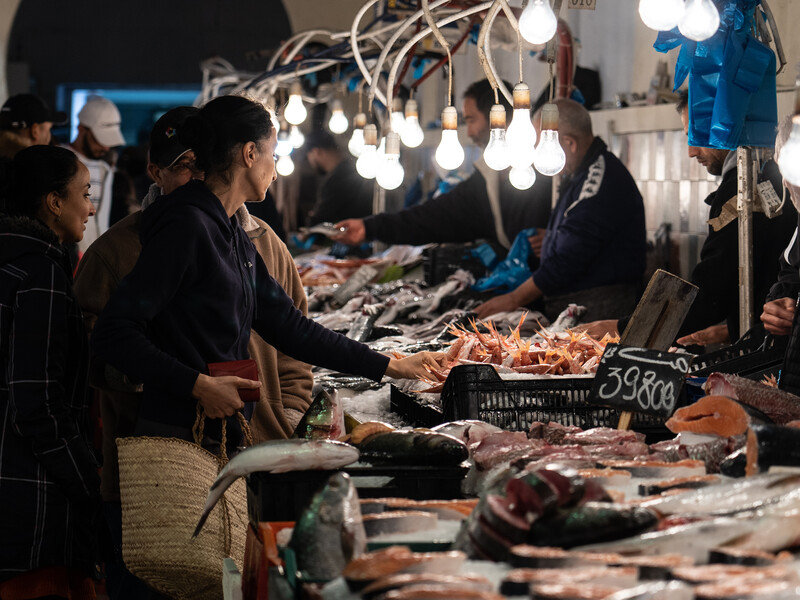
Jacob and Rachel pray for the Lord to lead them to encounter people He is working in.

“Before MDT I had all my ideas of ‘this is what my missions life is going to look like,’” laughed Lina. Soon she realised that what she had envisioned was not in God’s immediate plan for her.

In their mid-sixties, Kiwis Pam and Alan retired. Sort of. “You don’t retire and suddenly that’s it,” Alan explained. “You just continue on involved in the Kingdom but with some changes.”
As David learnt about countries in northern Africa, his interest piqued while his classmates focussed on other areas of the world. “I love challenges,” said David, “And that’s why I find myself here in central North Africa when no one else wanted to go.”
“I know that when we go out for God, God will provide. And God has been providing, sometimes it can be more or less, but God provides it all,” Rosea remarked.
To be working in the country of his birth is coming “full circle” for George. “I want to help people who are suffering,” he explained. “I want to do my best in helping them to know about Jesus.”
After Bible School David and Adèle understood God tell them to wait, and so, they actively waited as they sought His direction.
Seeing people put into practice what they’ve learnt to start their own businesses and then “at the end of the day, they’re actually able to be self-sustainable and provide for their families” is one of Jacob’s favourite aspects of the training.

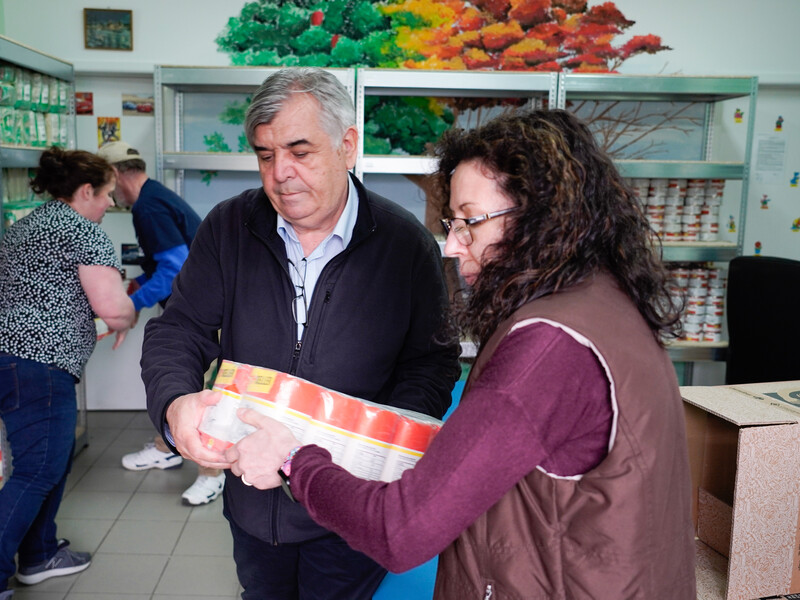
When Ukrainians began pouring into neighbouring Romania the first to respond were the churches.
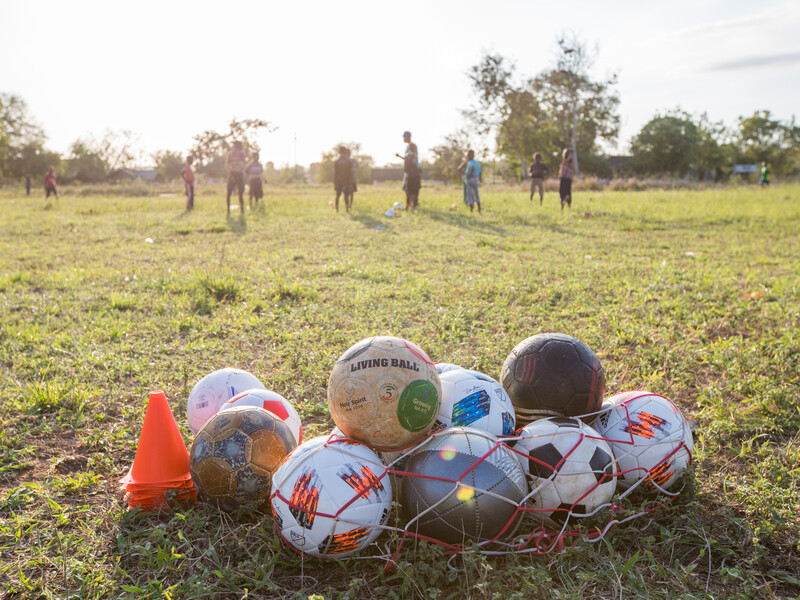
Hasan's method to live out Christ’s love on the football field in southern Africa is simple: ‘pray, play and say.’