author
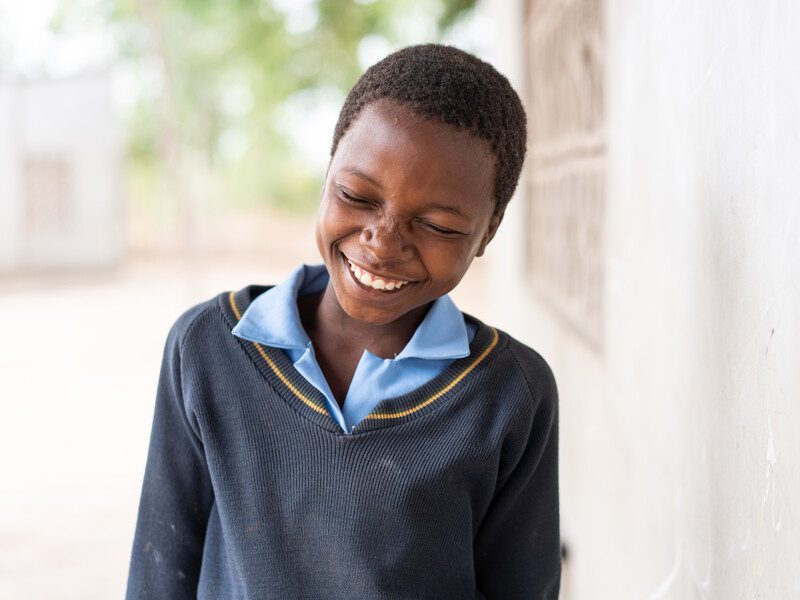
Chimwemwe*, a grade 3 student in a rural school in Malawi, couldn't read. She was very shy and struggled to even say the letter sounds the teacher was trying to explain to her. She looked at her books with a blank expression. Her teacher, Monica*, was frustrated and sad. Nothing she did was helping, and she had tried every method she knew.
“I pointed to a /s/. ‘What sound does this make?’ Chimwemwe gave me a blank look. I tried again with a /t/ and /a/. Nothing. She started guessing, but had no idea. I was really frustrated and sad. Nothing I was doing was helping! It was not easy for me to teach this child because I didn’t know what to do to help her learn better,” Monica said.
“After all my trying to help the child, there was still no change. Then I heard that a trainer was coming to my school to train the teachers in literacy. I was very excited to hear this because I thought that maybe I will lean new method of teaching literacy.”
Schools in rural Africa have little access to ongoing training and resources for their teachers. Teacher training in Malawi is often rushed and inadequate when it comes to teaching reading and writing. Teachers leave college without the skills or resources to teach reading and writing effectively, particularly if a child struggles. Frustrated, many teachers resort to physical punishment, thinking it must be the child who is being defiant, and many children simply give up, believing they will never learn to read.
In response, Education In Africa (EIA), a ministry of OM, visits schools in these areas to deliver training, helping local teachers to be more effective in their teaching skills and methods.
When EIA travels to Malawi for teacher training, it helps fill in gaps and let teachers know they are loved and supported.
Over a few days at Monica’s school, the trainer introduced the Jolly Phonics method of teaching reading and writing. Back in her classroom, Monica changed the way she taught sounds, and the students caught on quickly.
“It is a wonderful method of teaching reading and writing,” she said. “I was so excited to finish the training so that I can go and teach my learners and help the ones struggling by using the new method. I started to teach them /s/ /a/ /t/ so that they can sound them, and this time because of the training I knew how to help Chimwemwe to sound the sounds.
"The students improved so much in a short time. However, when I looked at Chimwemwe, she was still quiet and seemed to be struggling to say the sounds. However, I knew I had a good method and decided to work one-on-one with her. I found time to sit with her to practise the sounds. She was hesitant at first, but the moment she correctly read the first sounds, her face lit up! I helped her slowly, one sound at a time, and she started getting it, and now she can even read small words!
Chimwemwe was no longer the eight-year-old who couldn’t read. She still has some way to go, but with time and the loving help of her teacher, equipped with new knowledge thanks to EIA trainers, she will make steady progress and thrive in school.
Share On Your Socials
Faith always had a love for numbers and a love for God. As she studied at university, she knew she wanted to work somewhere that allowed her to combine both those passions.
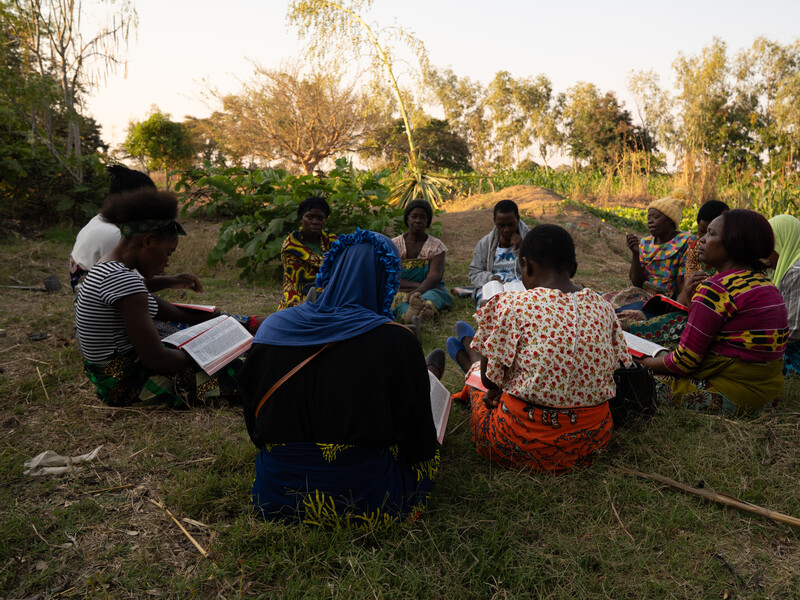
Self-help groups are changing mindsets and transforming lives in Malawi.
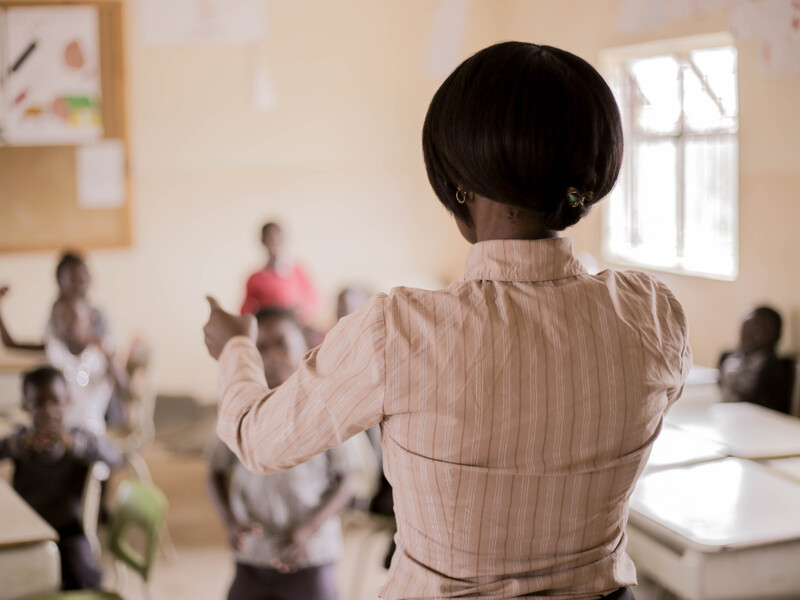
Through literacy training in schools and teacher development conferences, Education In Africa (EIA), a ministry of OM, is helping make learning possible and supporting teachers both personally and spiritually.
Through literacy training in schools and teacher development conferences, Education In Africa (EIA), a ministry of OM, is helping make learning possible and supporting teachers both personally and spiritually.
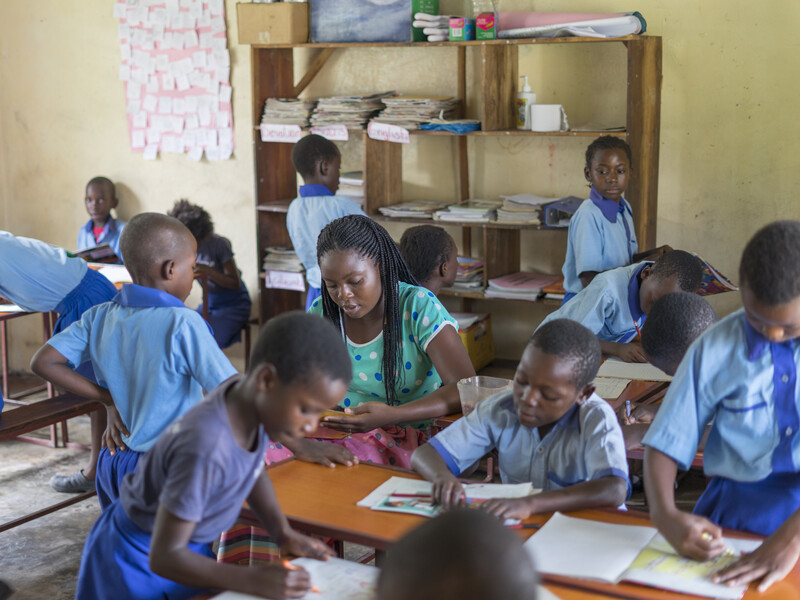
When Dorothy lost her husband, her world fell apart. Alone and overwhelmed, she continued teaching but felt numb inside. A month later, an unexpected invitation to a teacher’s conference changed everything.
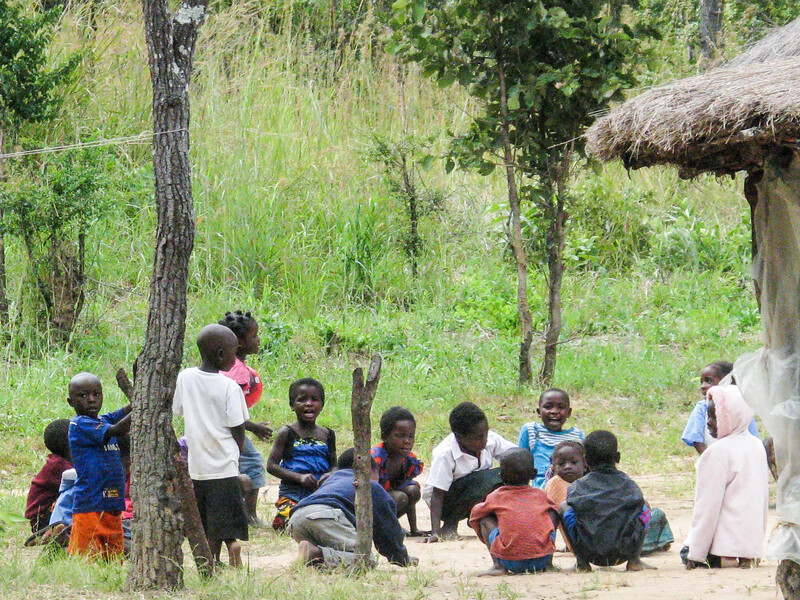
Education is still a very underdeveloped service across Africa. Many rural and impoverished communities have very little or no access to education for their children.