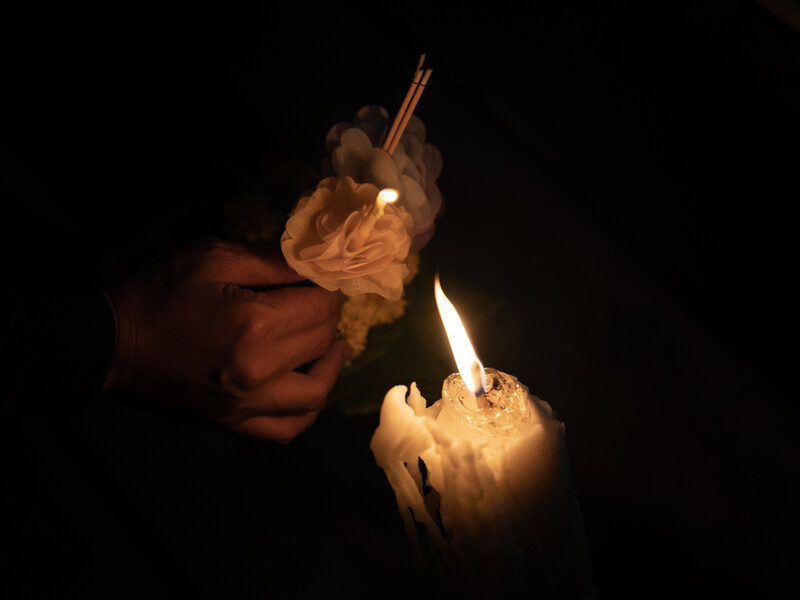
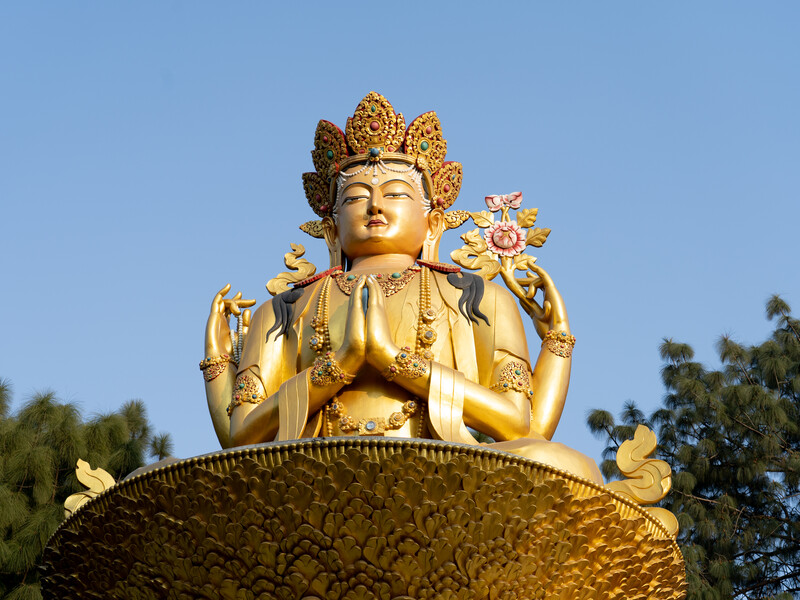
Her mother made her pray to Chinese deities when Emily* (now 42) was a child, instructing her to always say her name, age and address. Emily always wondered why these gods didn't know her name. When her parents travelled from their home country of Singapore to Malaysia to pray at a particular temple, Emily could not understand that either. “So that one is special? Not all temples or deities are the same? I asked my parents, but they could not answer.”
As an adult, Emily had a Christian friend, who invited her to church one day. Emily learnt of God’s love and grace. “I realised God knew my name,” she recalled. “I didn’t need to tell Jesus my name or where I was for Him to find me. He already knew it.” Even though her family at first struggled with her decision, they eventually accepted her new faith.
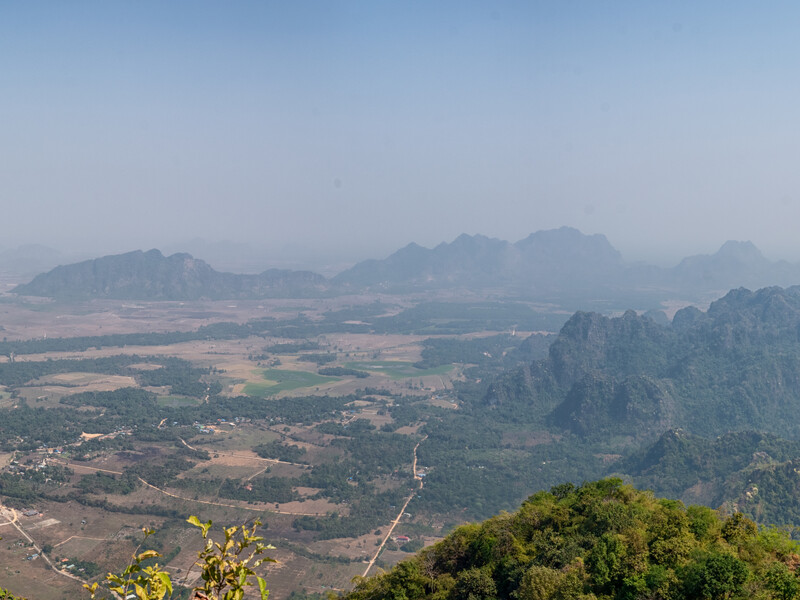
Not long after her decision, while working as trainer, one of the participants in her group told Emily about a church ministry that interested her. “That pastor’s goal was to share God’s love with foreign workers through teaching English,” Emily explained. “At the time, I was a young Christian and didn’t know how to share my faith, but I decided to try.” This led to English teaching trips to Indonesia. Eventually, she started teaching at a summer camp in a border village in East Asia and served there every summer for three years. A principal from the local school told her that the country’s school system was changing and they didn’t know how to accommodate the new curriculum. “At that moment, I felt God was inviting me to teach there long-term,” recalled Emily.
Teaching English in East Asia
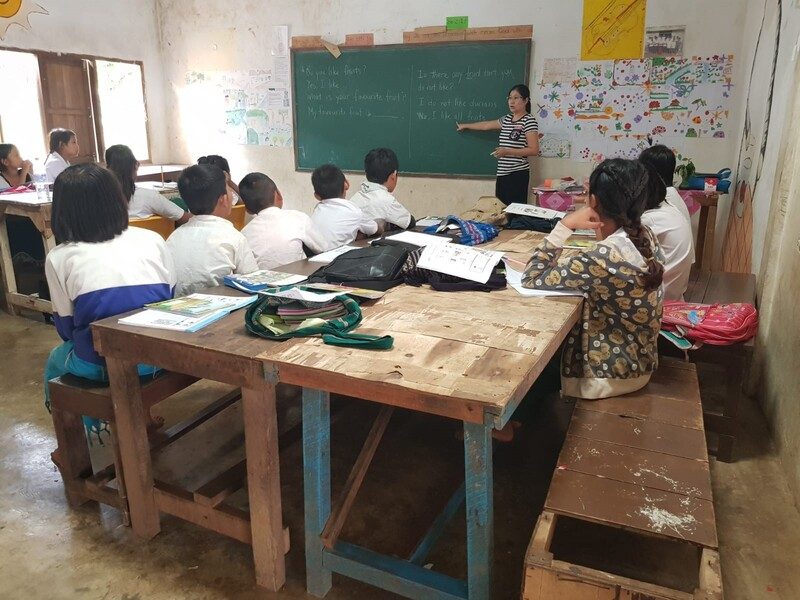
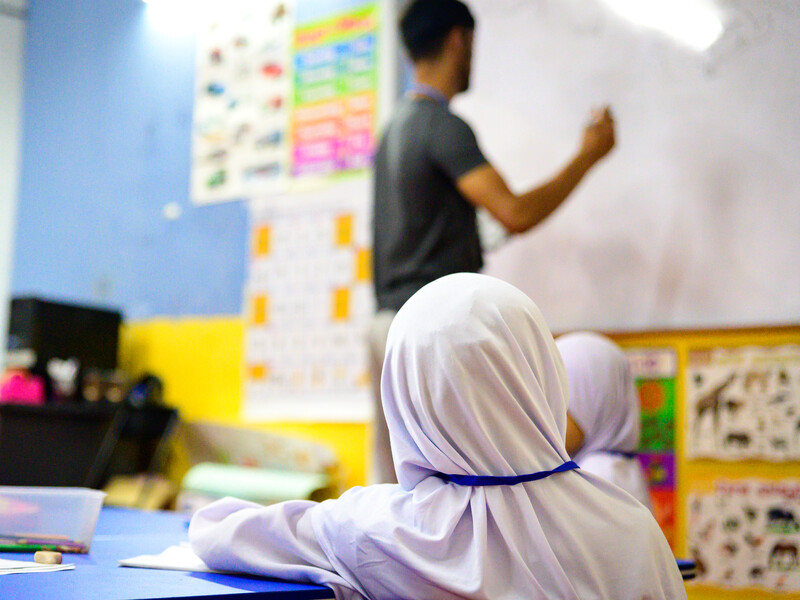
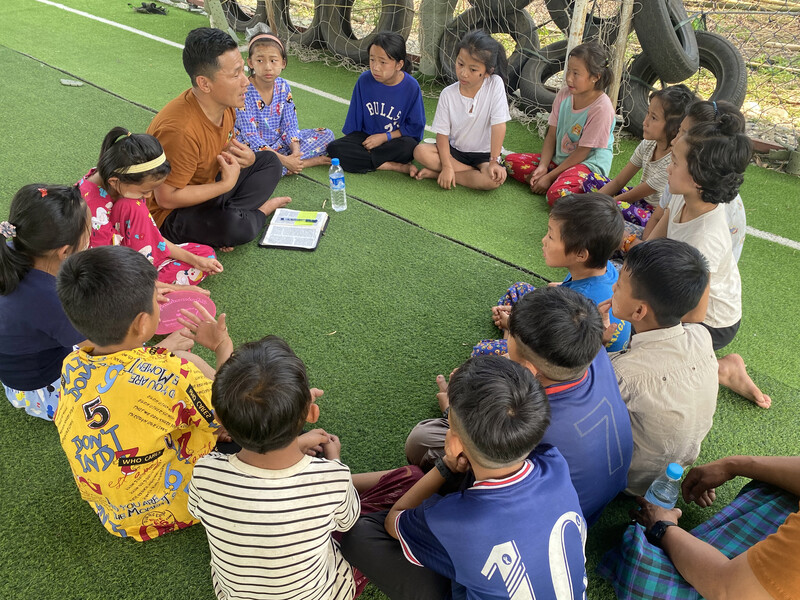
Now in her fifth year of teaching in the village, Emily knows she made the right decision. “I love children and have a natural way of connecting with them. We started the new curriculum with my first kindergarten class. I stayed with them through grades 1-3, and this year they are supposed to take the national exam,” she shared. She also trains other local teachers in different methods of teaching.
Because the primary religion in the village, Buddhism, is tightly linked with cultural identity, conversion to another faith is considered a betrayal. The school mostly teaches students from minority ethnic groups in the area.
The school is able to teach about God, but Emily believes the most important way to share God’s love with her students is by building relationships with them. “No one will listen if the
gospel is thrown at them. Children are sensitive; when you show love for them, they know it,” Emily said. “I didn’t realise how impactful it was until my second year of teaching, when 10 of the 23 students in my class committed their lives to Jesus during a programme led by a team of Christians visiting the school. I knew then that God had blessed the work of my hands.”
Teaching has also taught Emily patience and understanding, especially working cross-culturally, as well as being aware of spiritual warfare. “We have seen attacks begin when things are going according to God’s plan.” Emily said.
“I’ve also seen God’s provision,” she continued. “When I look at the spreadsheet of my budget and support, there is a large deficit every month. But I’ve never gone hungry, my bills are paid on time and I have enough to bless others. This I know is true: if you follow God’s plan, He is faithful to bless and provide for you.”
Teaching during the Covid-19 pandemic
Now back in Singapore, Emily has lost her visa, which took a lot of time and effort to obtain in the first place. The school opened in August of 2020 for three weeks, but Emily, already back in Singapore, could not return. Though difficult, she was able to teach virtually.
Then, COVID-19 cases spiked in the country, and the government closed all schools. Most of the children living at the school dormitory returned home, reducing the school’s ability to disciple them. “Their education is interrupted. Because there is no rule for compulsory school in this country, children enter school at different ages, some of them overaged, and drop out early. Boys go to manual jobs and girls get married very young.”
“With the delay caused by the pandemic, it just adds to this situation. There are no child-labour or marriage laws in this country, so they are at risk. The longer the school is closed, the higher the drop-out rate. In this rural environment, it isn’t well understood how education can change lives,” Emily explained. “Even if you go to secondary school, they say, ‘So, if I study this much, can I really get a better job?’ There is limited opportunity in the area, so they’d need to travel to other provinces for better job prospects, which means leaving family.”
Still, she remains in contact with a few students, teaching virtually and waiting to see what will happen in 2021. Hopefully, the school will re-open in June as planned and Emily will be able to obtain a new visa and return to teaching her students in-person, each of which she knows by name—and she makes sure they know, most importantly, that God does as well.