author

Eighteen years ago, a young and passionate Dr. Patrick Dixon approached George Verwer, co-founder of OM, to discuss the widespread misunderstanding regarding HIV and AIDS.
OM’s response was to form AIDSLink to support the marginalised, poor, vulnerable, drug users, entire families and future generations. As AIDSLink’s first director pointed out: “The Church worldwide has often been looked to, to bring hope through education and medical aid. So why not again, in supporting those with HIV and their communities?”
AIDSLink partnered with Christian Aids Burö of South Africa (CABSA), who developed the training for trainers to teach others and pass on awareness of HIV, using the Channels of Hope programme, which is still an essential training tool today. Through AIDSLink, those living with HIV found a platform to express what it was like to live with HIV and support others through the programmes, sharing their stories of hope. Networking began working powerfully to help those infected and affected by the virus to stand against the sense of shame and social stigma and value taking preventative medication.
In 2023, AIDSLink remains passionate about preventing the spread of HIV and AIDS through education. With 40.4 million people living with HIV worldwide in 2022*, training is a key component to push back against the shame connected with the virus and to address the lack of understanding among many people groups.
Intentional in partnerships, AIDSLink works alongside existing OM ministries to “help people feel the love of God,” explained Joshua Chishala, current AIDSLink director. “I have been talking with the leaders of OM around the world to see how we might work together, to collaborate in their vision to reach those they feel God is calling them to, not being separate from them. We reach out to the marginalised – those directly affected by HIV/AIDs – in the same way as OM reaches out to serve the poorest, most disadvantaged, and those who have yet to hear of God’s saving love through Jesus.
"We have skills that would benefit local government programmes, help set up micro-loans to enable sustainable businesses and encourage financial sharing at a local level. We want to restore hope to communities, living out what we believe holistically, vibrantly, to help bring about change for God, for good, together.”
In 2008, Prashanti began working with 50 children and teenagers with HIV-positive family members by encouraging them to take medication and supporting their education. Few mothers have husbands and struggle with putting rice on the table. Consequently, they are vulnerable to borrowing from loan sharks, which places them further into financial poverty and debt. One young mother lived in a village far from the city but came to the clinic where Prashanti worked.
“She was very ill,” Prashanti said. “The clinic established she was HIV positive, then her husband died, so the family threw her out. Even though she was pregnant, she had nowhere to go and slept in a bus station. We took her into our home to live with us. But she didn’t want to live,” said Prashanti. “We tried to encourage her to go to school or learn a trade that would enable her to earn money to look after herself and her baby. But she just cried and said she wanted to die.”
“All we could do, and still do, is to pray for her," said Prashanti. "God knows her story, and only He can help her, bringing full healing to both her body and her soul.”
Petrus joined AIDSLink in 2019. Due to the COVID-19 pandemic, he could not attend a Channels of Hope workshop to learn how he might work with those impacted by HIV/AIDS until after 2022.
“I'm used to talking about people's need for Jesus to save them [from the consequences of wrong living and wrong beliefs]”, he explained. “I was really scared of sharing God’s message with people with HIV/AIDS. I asked my leaders: 'How will they come to faith?' They told me to give them information about HIV, and they will trust me to share Jesus, too. But I didn't believe it.”
In December 2022, God gave Petrus the idea to start sending out Bible verses in the local language. He and his wife met Sara**, a widow helping people living with HIV. After her husband died, she discovered she too was HIV positive. “She's from a community where it's very hard to live as a widow. We met together, shared our stories, and I started sending Bible verses to her,” said Petrus.
When Sara’s mother became seriously ill, Petrus offered to pray for her and promised to continue praying. When her mother improved, Sara wanted to know more, so Petrus asked a local pastor to visit them and explain about Jesus. The whole family listened to the good news.
“Later on, I heard they had decided to become Jesus followers. I was so encouraged," Petrus remembered. "It's not my job to be God but to be faithful to His leading. He is always at work in and through us.”
John works with a team that focuses on children and young people in townships where there is great stigma and ignorance of HIV/AIDS. “People hide from identifying with it,” said John. “We are known as The Centre for Living Water rather than [a name with HIV/AIDS in the title] for that reason. So, we need to share and educate.
One day, a family we are working with called me: 'You need to come.'
So I went to their shack, pulled together from metal sheets. There, I found a young body covered over; he'd been dead for three hours. How could he die like this? I made some calls, and people came and removed the body. I was angry.
Then the boy’s twin told me: 'Just before he died, my twin taught the family the songs he learnt at the Centre, and 10 minutes before he died, he taught us the Lord's Prayer.'”
John continued: “This work is so familiar; you get used to it, and yet hearing this young man sharing with the whole family brought comfort to us all. This family had nothing; people had to give [money] towards the funeral; I officiated. When we buried the young man, the mother wanted all her family to come to the Centre. Sadly, we haven’t the room. Yet they were able to share his HIV status openly because we had taught them the importance of owning why they have to take their medication. We saw his impact on the family and the community. It is God's business, and all the glory belongs to Him.”
These are just three families who have been impacted by the work of AIDSLink globally through Jesus followers on the ground. God continues to call and equip His people to reach the marginalised at the local level to restore hope practically through His love. Join us in prayer for those infected and affected by HIV/AIDS.
*https://www.who.int/data/gho/data/themes/hiv-aids
**name changed
Share On Your Socials
Rebecca and Renette share what 2020 taught them in a 'thank you' letter to the year.
After experiencing God provide through prayer, Peter embarks on a global journey of praying for the nations and leading others in that process.
After Bible School David and Adèle understood God tell them to wait, and so, they actively waited as they sought His direction.
Seeing people put into practice what they’ve learnt to start their own businesses and then “at the end of the day, they’re actually able to be self-sustainable and provide for their families” is one of Jacob’s favourite aspects of the training.
In this month's Director's Update, read Lawrence Tong's article about how we must bridge the sacred-secular divide not just in our ministries but also in our minds.
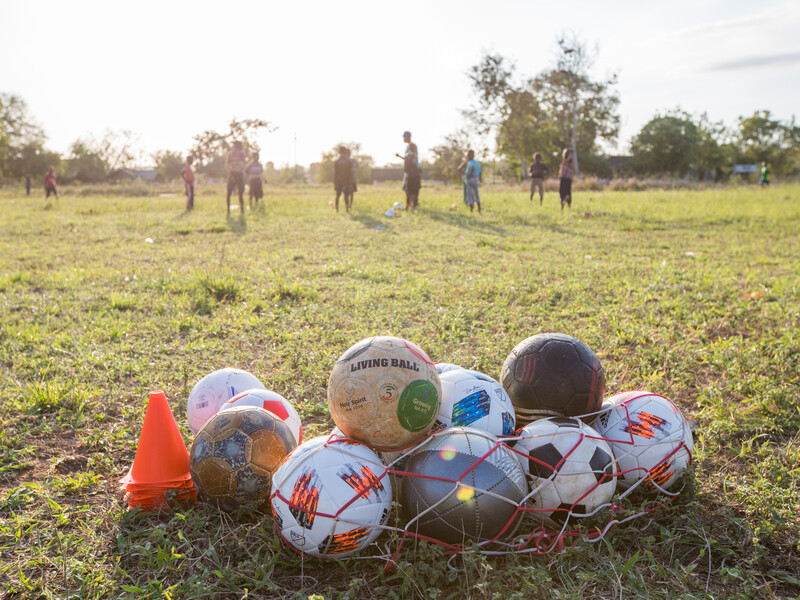
Hasan's method to live out Christ’s love on the football field in southern Africa is simple: ‘pray, play and say.’
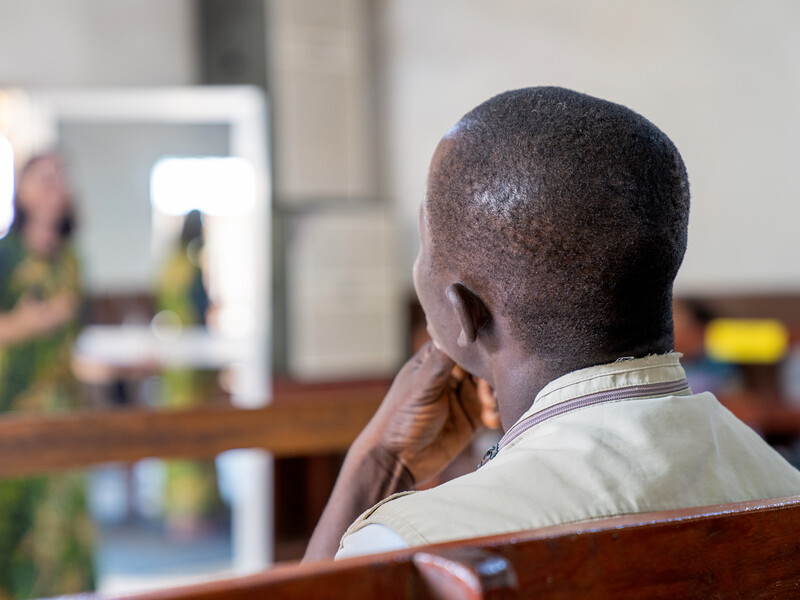
Through repeat visits to a West African port, OM’s Ship Ministry partners with a local pastor for ongoing impact and community transformation.

"In my family, traditions and cultural barriers could not keep the love of Jesus from breaking through," I'Ching Chan-Thomas shares.
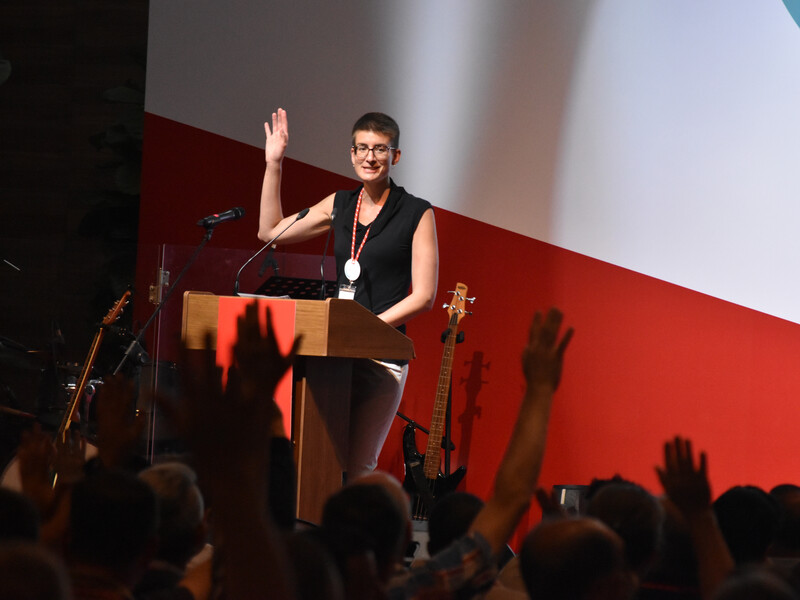
"Today, it is still the ‘OM way’ to welcome people who want to love God and love others around the world, equipping them with the knowledge, skills and attitudes they need to thrive in mission," Tami says.
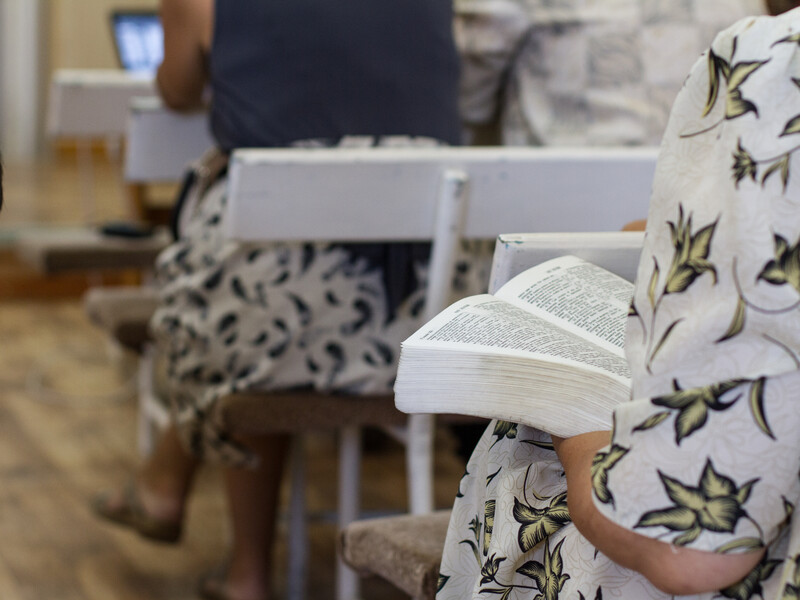
Paul shares what fuelled his motivation to support believers in areas of Asia where it is hard to follow Jesus. He hopes their stories will inspire someone to catch the vision for helping equip the church in this region.


Arwa, Arman and their young children, like many thousands of others, decided to leave their country of origin to seek a better life in Poland. Poland, the bridge between East and West, and a vibrant European nation of 38 million, offers a home for people from other Slavic countries, the Middle East, Asia and Africa who experience limited freedom or access to followers of Jesus and His message of peace and restoration. In seeking economic stability, this family discovered God loves and cares for them personally.
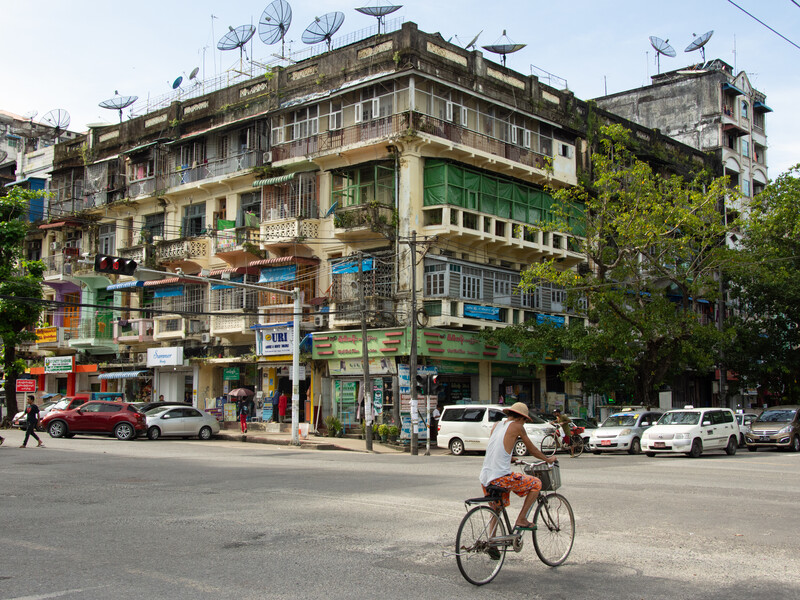
In one country in South-East Asia there has been a great deal of change over the last 16 years: economically, physically, financially and spiritually.
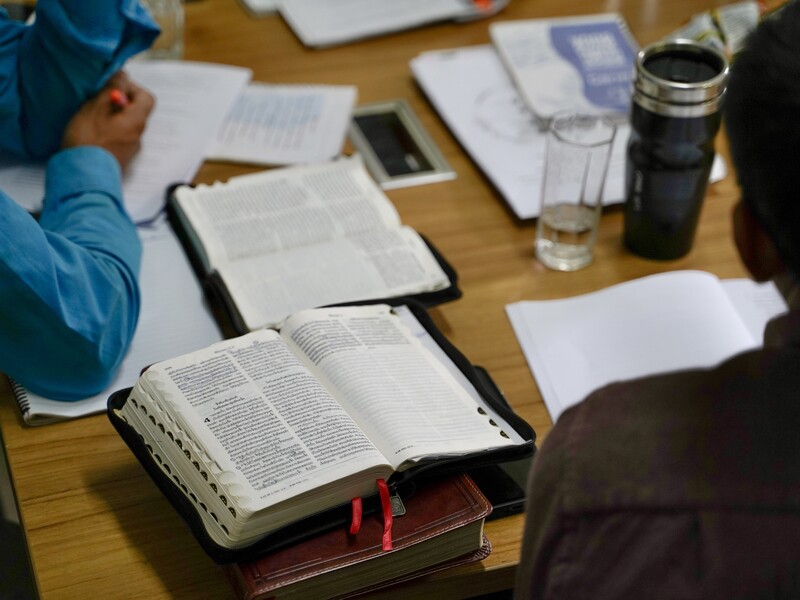
In one of the remaining communist states on earth and the poorest country in South-East Asia, 61 per cent of the population follow Buddha. Yet there is church growth, led by nationals, despite government restrictions and persecution.
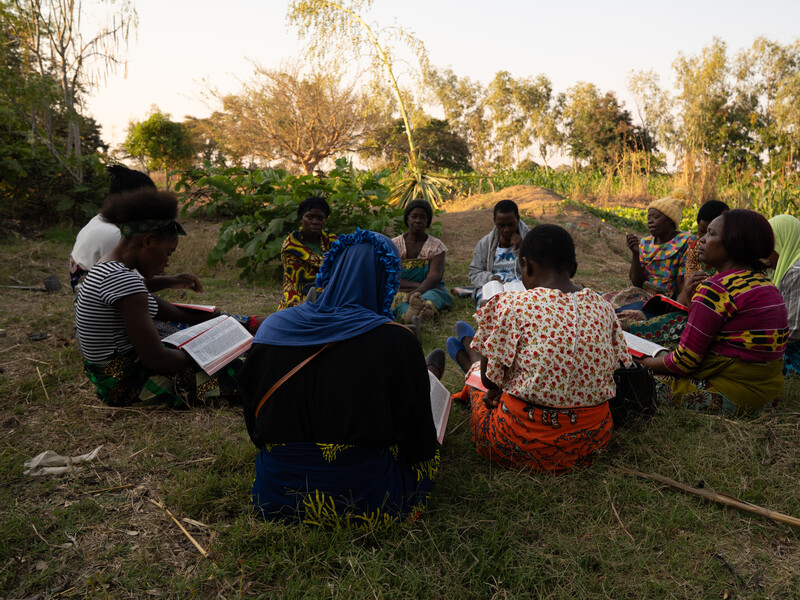
Self-help groups are changing mindsets and transforming lives in Malawi.
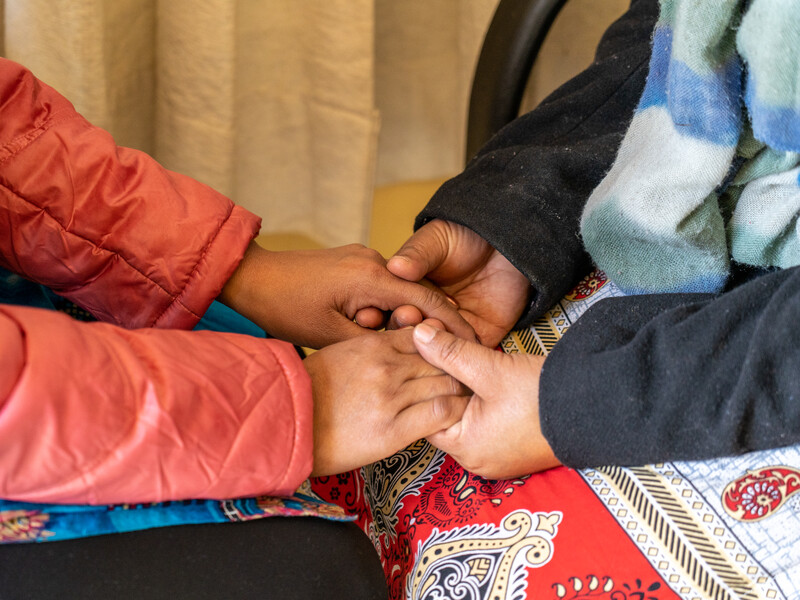
In the Caucasus, prayer opened the door for Arvin and Cristina to connect with people and share Christ's love.

The Arabian Peninsula draws foreign workers, including Jesus followers, to come with their families, who benefit from growing up in a cross-cultural environment and can be helped to be disciple makers among themselves and the least reached in the AP.
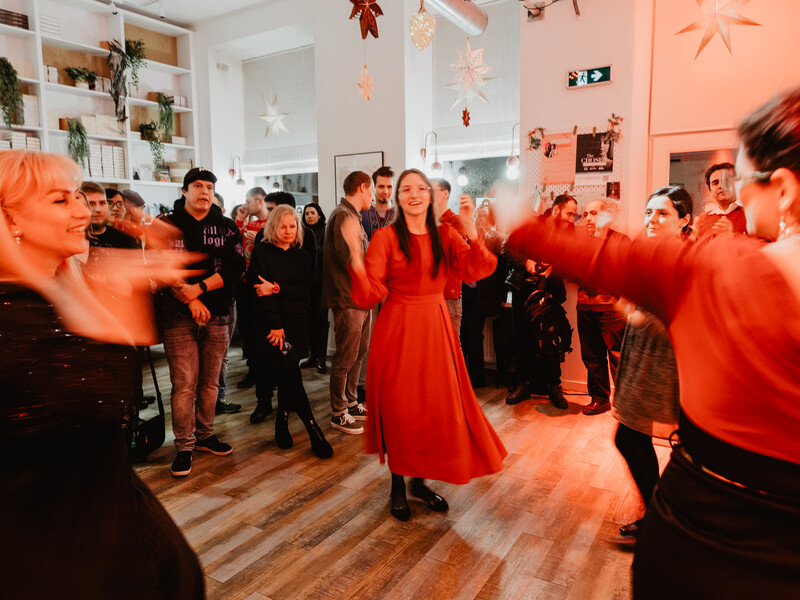
Arwa*, Arman* and their young family came to Poland in search of a better life by establishing a business. They met Weronika, the OM team leader, who works with refugees, and their lives changed in more ways that they could imagine.