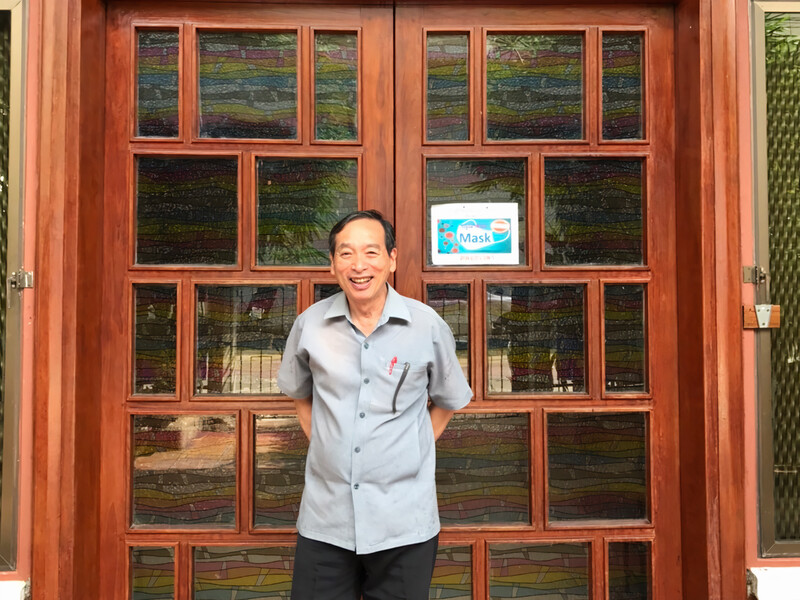
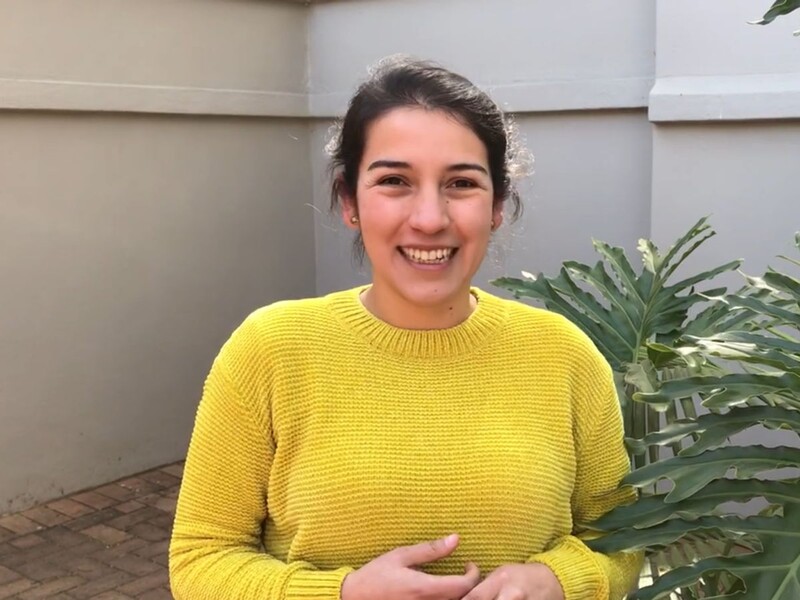
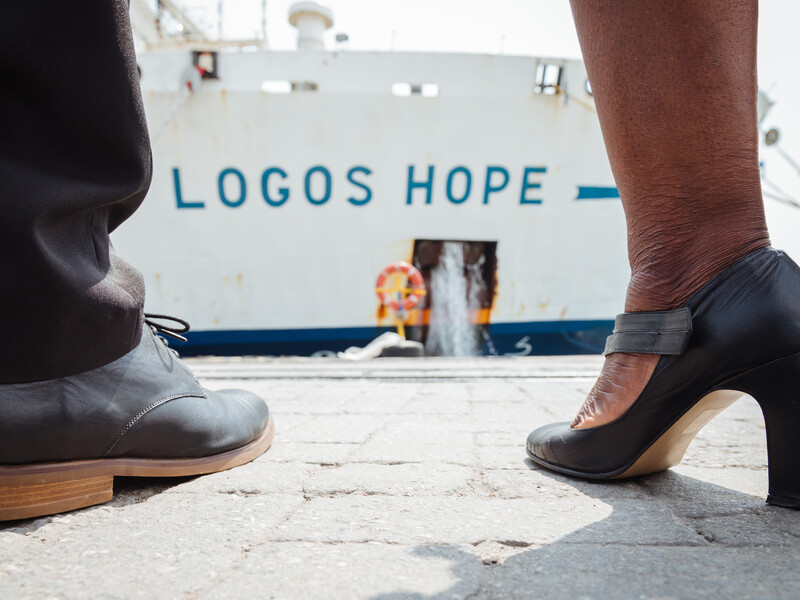
‘I’ve confused many people because I have three names,” explained Love (Thailand). There’s ‘Nimitra,’ the name she was born with. Then ‘Nita,’ a shortened version of her name that she was known by when serving onboard OM’s ship, Logos Hope. But to most people, she is known by a nickname given to her as a baby and now encompasses why she does what she does: Love.
Growing up as a preacher’s kid, Love knew all the Bible stories and songs. In Middle School, after having problems with her friends, Love felt that “God is the only one who [can] give me forgiveness that I can [then] show to my friends. Without God—I cannot have that kind of forgiveness for other people.”
“I just got to know that He is my God, and He is always my Helper,” she added.
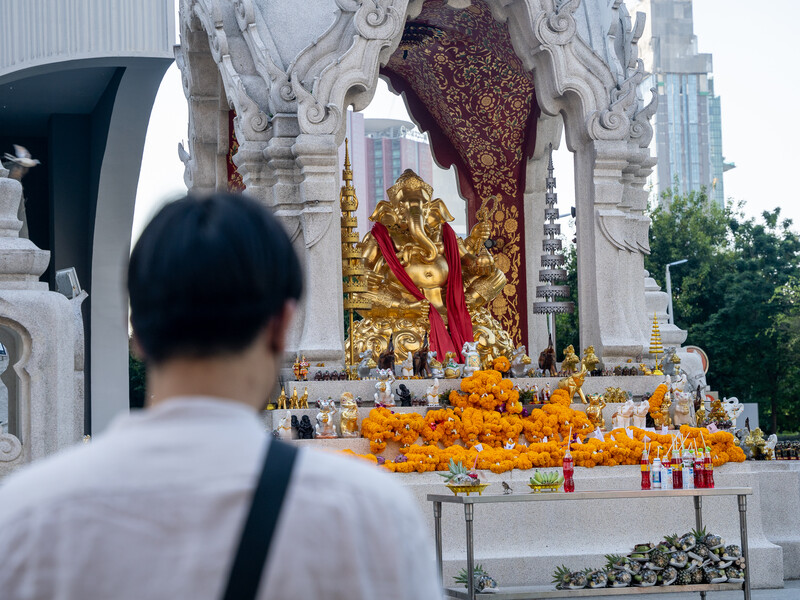
According to Joshua Project, over 88 per cent of Thailand adheres to Buddhist beliefs. Growing up as a follower of Jesus, Love often felt alone among her friends. “Being a Christian is like being an alien to them,” she described.
“I think showing God’s love through actions and relationships works best in my country,” said Love. “People appreciate it when they know they are being cared for. People are usually not welcoming if we directly talk about God—there are sayings that religion and politics are two things we don’t talk about if we don’t want to lose a relationship. But people are more welcoming if it comes with help. Especially when they are in trouble, they are more likely to open their hearts. So actions are louder than words.”
“We love because He loved us first,” she added. “God wants us to be the light to others.”
Jumping onboard
When Logos Hope visited Thailand in 2013, her cousin, who served onboard, introduced Love to the ship. Volunteering as a translator, Love got to know crewmembers and how the ship was run. When Logos Hope returned a year later, she eagerly volunteered again, this time in the bookfair. “It was an amazing experience,” she described of her time volunteering with the ship in Thailand. “[It was] amazing to have people from different places and just worship one God.”
The ship left Thailand, and time passed. “I was in my comfort zone for a long time and happy with my job,” she explained. “But I felt an emptiness as time went by and that I had no purpose in life.” During this time she remembered her time on Logos Hope and “felt like the ship would be a place where I could learn more about God and maybe God could show me what He wants me to do.” She joined in 2017 with a one-year commitment.
Though she had gone to the ship to gain experience serving God, Love “never imagined” herself doing ministry long-term. “But when I came back to Thailand, I felt God actually calling me to serve with OM,” Love recalled.
‘God knows’
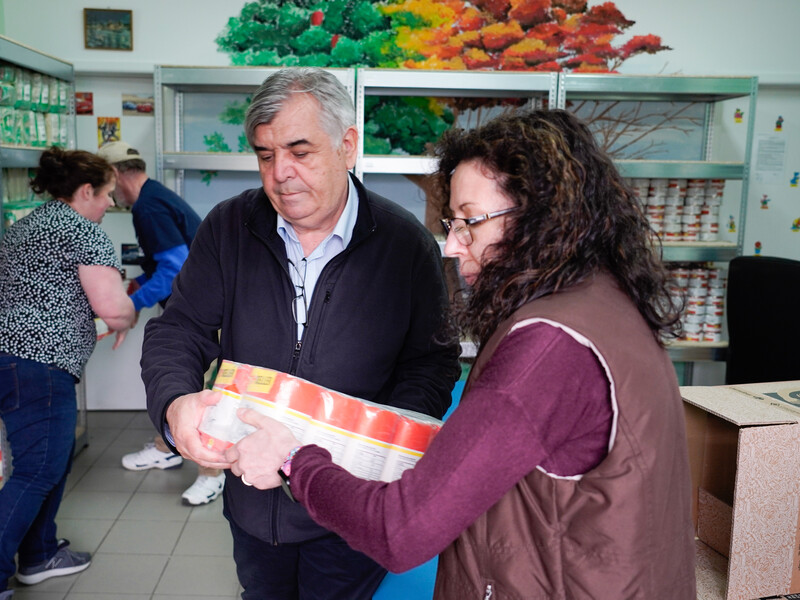
Love joined the OM team in Thailand in the personnel department, recruiting people, processing them and keeping track of Thais serving worldwide and of all OMers serving in Thailand. Love admitted that she “didn’t like the personnel job at all because it’s very detailed, and I’m not a detailer. At the beginning, I felt like maybe this was not where I should be.” But as time went by, “God really showed me that this is the place I should be,” Love said, remembering people who unknowingly affirmed and encouraged her in the role. “I felt like, ok, maybe I don’t know myself, but God knows. Now I feel like this is the place for me.”
When asked why personnel is needed in missions organisations, Love explained: “People just need someone to help or guide them. …As personnel, we can help those people who have interest [in missions] and they want to do something, but they need someone to guide them. And I think as personnel, we are there to help and give answers or just be with them along the way.”
And the support does not stop once the person joins OM but continues once they are in their country of service. For example, Love sets up calls with the six Thais currently serving onboard Logos Hope to hear how they are and how she can support them. “Sometimes people who are serving [outside of Thailand], sometimes they have a lot of concern, they have a lot of worries. And sometimes they just need someone to listen to them—especially someone with the same language and understands the same culture,” said Love. Her previous experience serving on the ship gives Love the insight into the challenges shared with her and allows her to share from her own time onboard and encourage others.
Through her role in personnel, Love said she has learnt to empathise with team members; “giving time to people and listening to them is what I’ve learnt through the process, and people really appreciate it.”
Have you considered your place in God’s plan for the nations? You can join OM as an HR, communications, IT, finance or training professional and use the skills He’s given you! Check out opportunities today at www.om.org.