Since 1995, Geraldine has worked globally in OM, communicating what God is doing through His people, encouraging those in difficult places and inspiring other Jesus Followers to join in. “I’ve never considered it exactly as servanthood," she shares. "I love hearing other people’s experiences of God at work for eternity in and through them.”
“…just as the Son of Man did not come to be served, but to serve, and to give his life as a ransom for many.” — Matthew 20:28 (NIV)
The word ‘servant’ means different things to different people. I think of a domestic helper paid to do menial, repetitive, unglamorous and inferior tasks. The disciples clearly thought so when urging Jesus not to wash their feet [John 13:4-10]!
Michael Green suggests they objected: “That this One who is so pure and clean should humble Himself to wash off my dirt, to defile Himself with my uncleanness!”* I imagine their sense of indignation and embarrassment when Jesus picked up a towel and began to wash their feet. They knew their feet needed cleaning, but were definite about who should and shouldn’t do the degrading task! I well remember the first time we tried this in our church during Lent: it wasn’t an easy experience, to be honest.
Yet Jesus tells us repeatedly that people count more than their perceived societal value. He chose to be with, heal and restore people from all rungs of society, irrespective of caste or social position. The Bible states that every single person is created by God as unique, special and made in His Image — in His Eyes there are no castes, only individuals across the globe whom He loves and longs to extend His favour through a personal relationship with His Son, Jesus. The truth is, we are born into societies that judge who is valuable.
Born into a middle-class English family whose aim was to amass wealth, follow educational excellence and seek identity in being ‘better’ than others, made my life challenging, competitive and judgmental. It also shaped me. As did my parents’ influencing experience of living in colonial West Africa in the 1940s, with the assumptions of skin colour determining human value.
When I became a Jesus follower in 1983, I had to confront and change my ideas about purpose, identity and the value of the individual — irrespective of race, experience, intellect, wealth or achievements. My parents’ aims did not fit into the Jesus of the Bible, who extends His love, acceptance and value towards all of His Creation — unconditionally. As Jesus followers, we are also Jesus bringers, demonstrating His invitation in John 4:29 to “Come, see a Man who has told me everything that I ever did!” to be accepted and loved as ourselves.
Two questions began to plague me: How will those on the edges of societies across the world get to hear of that love, extended through Jesus willingly dying on a cross, so that each person could walk free of the penalty of their own sins to live in freedom? His death, given in love, paid our penalty for our sin, demonstrates the ultimate servanthood of an extraordinary, unique God-made-flesh who rose to life again — an act of love we consider during every run-up to Easter. How does global servanthood for Jesus followers work?
In 1988, Jesus followers began reaching out in the South Asian subcontinent to Dalits or Harijans, who were unable to escape the poverty trap. Dalits were held in such low esteem that they did not even exist in the caste system. They were expected to perform undesirable functions as scavengers, latrine cleaners and street cleaners — I saw a family collecting animal dung to bake to make dwelling walls. Those of higher status or caste weren’t ‘polluting’ themselves or others by touching anything ‘unclean’, like dung.
In offering medical clinics, education for children, adult literacy classes, vocational and business training and more, these Jesus followers began slowly to break the cycle of poverty and oppression in Dalit communities.
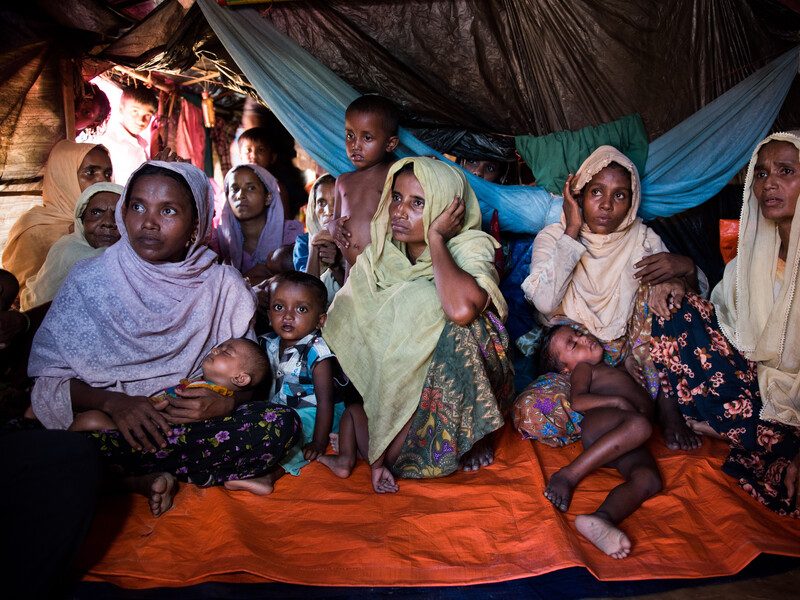
Global societal ‘untouchables’ also include migrants and refugees. Considered as aliens, without national status or rights, they are exiles from their country of origin, often fleeing to stay alive. My heart aches for their displacement and trauma — Jesus was a refugee in Egypt.
Within this decade, there has been a massive increase of refugees and migrant workers, particularly into Greece. Vulnerable refugee and migrant women have been forced into the sex trade to survive and provide a pittance for themselves, their families and dependants. Debt bondage and human trafficking have produced ‘survival sex’ — even amongst children. It’s far from glamorous, and certainly dangerous for those, like Rosie, who try to help such women.
Rosie, a Jesus follower, says God prompted her out of her comfort zone to care for vulnerable women in Greece, by establishing a non-profit organisation that provides a healthy working alternative to their current reality of abuse, exploitation or trafficking. Instead, it offers them dignity and hope for the future. As a woman, I am deeply touched by her servant heart for these vulnerable women. None of us chooses where we are born or the circumstances, but as adults, we might have opportunities to choose what will shape our lives.
I know that neither I nor any of these Jesus followers would regret our decision to serve, rather than be served. We have received more joy in valuing and loving others practically, in simply doing what God asked us to do.
Could you, with me, ask God this Lent: “Where might I serve our beloved Master next in reaching out to those who cannot help themselves?”
Pray for the message of Easter to be taken and shared, and free those in bondage across the globe. Pray for Jesus followers to reach out to the marginalised in their societies and seek to bring change, and break the cycles of poverty and oppression. Pray for God’s answer to the refugees, migrants and displaced of the world who are casualties of war, greed and famine – what does He want His People to do? (Are we willing to do our part, whatever it is?)
*Green, M. (2000, p.30) Take My Life. Carlisle & Waynesboro: Paternoster Publishing
Share On Your Socials
OM's International Director, Iain Pickett, reflects on innovations in mission strategy over the last 200 years.
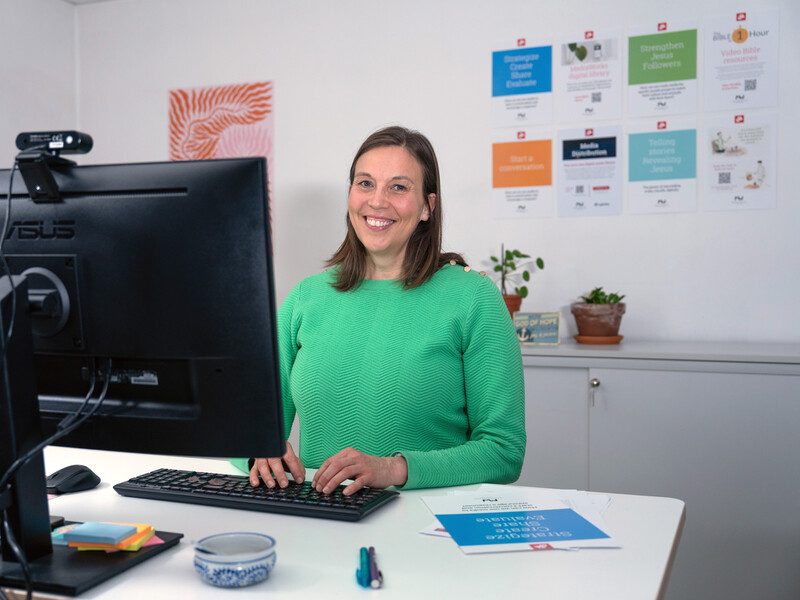
Our media strategists are working alongside a network of Bengali ministries, an OM team in South Asia and a partner organisation in India, helping them be intentional in how they use print or digital media to communicate the gospel with their focus groups.
Rebecca and Renette share what 2020 taught them in a 'thank you' letter to the year.
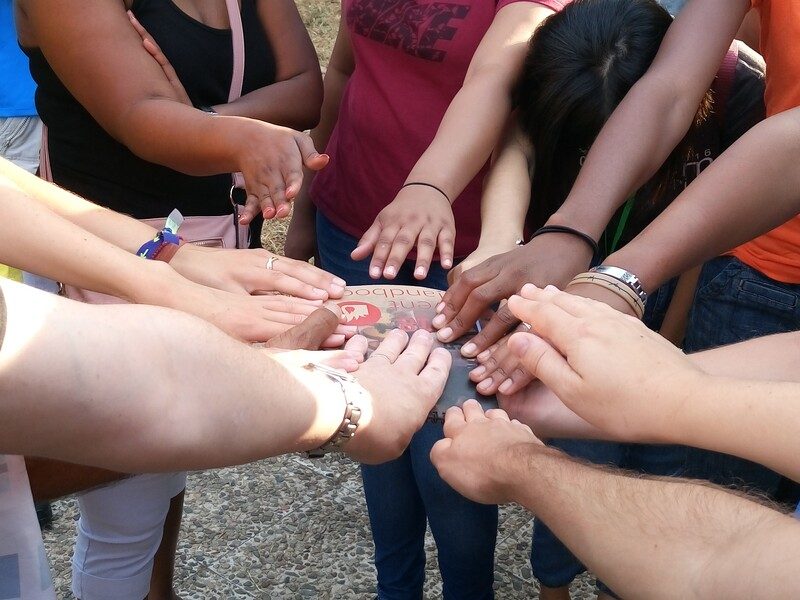
After experiencing God provide through prayer, Peter embarks on a global journey of praying for the nations and leading others in that process.
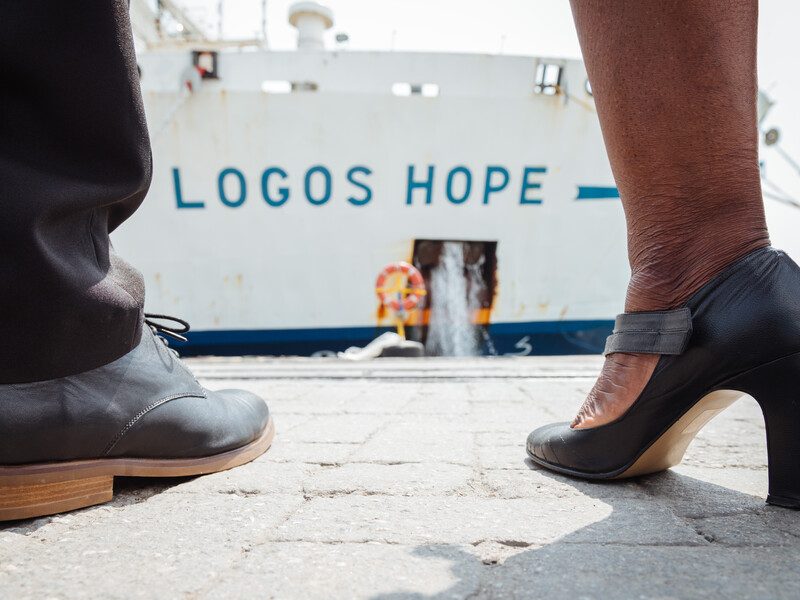
After Bible School David and Adèle understood God tell them to wait, and so, they actively waited as they sought His direction.
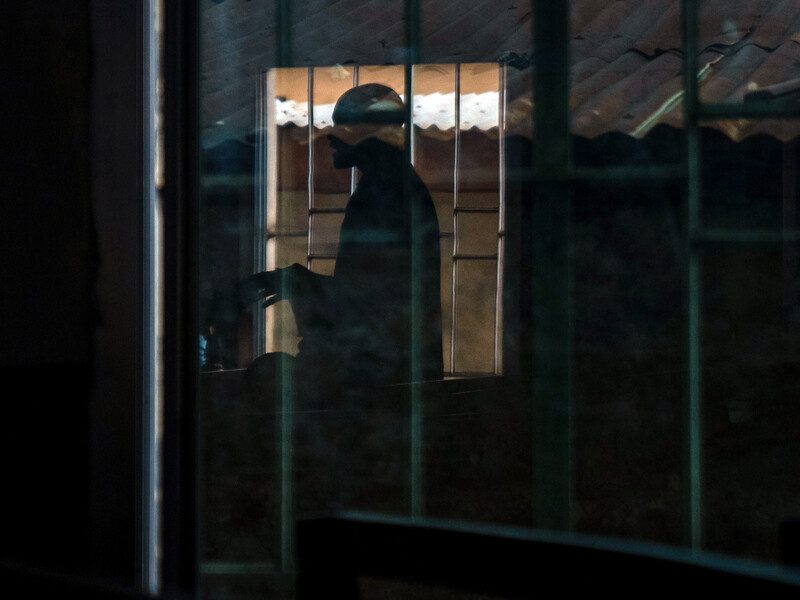
Seeing people put into practice what they’ve learnt to start their own businesses and then “at the end of the day, they’re actually able to be self-sustainable and provide for their families” is one of Jacob’s favourite aspects of the training.
In this month's Director's Update, read Lawrence Tong's article about how we must bridge the sacred-secular divide not just in our ministries but also in our minds.
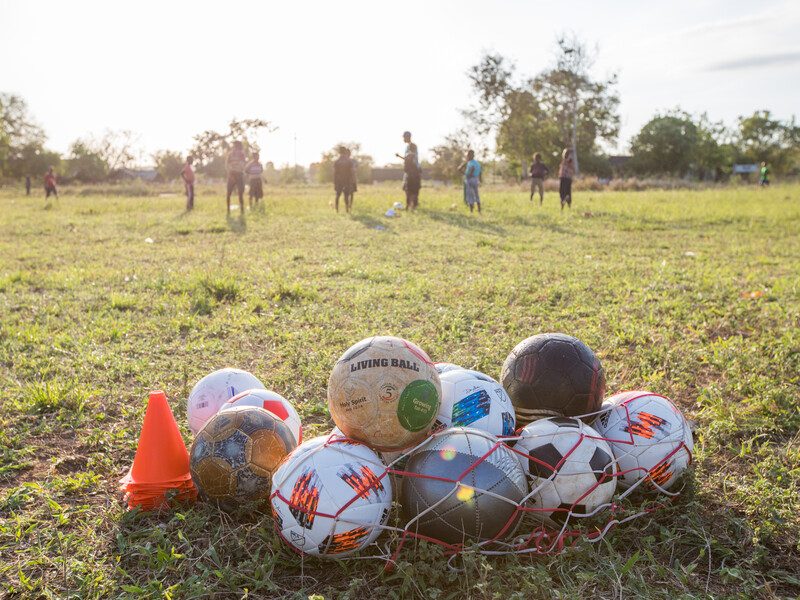
Hasan's method to live out Christ’s love on the football field in southern Africa is simple: ‘pray, play and say.’
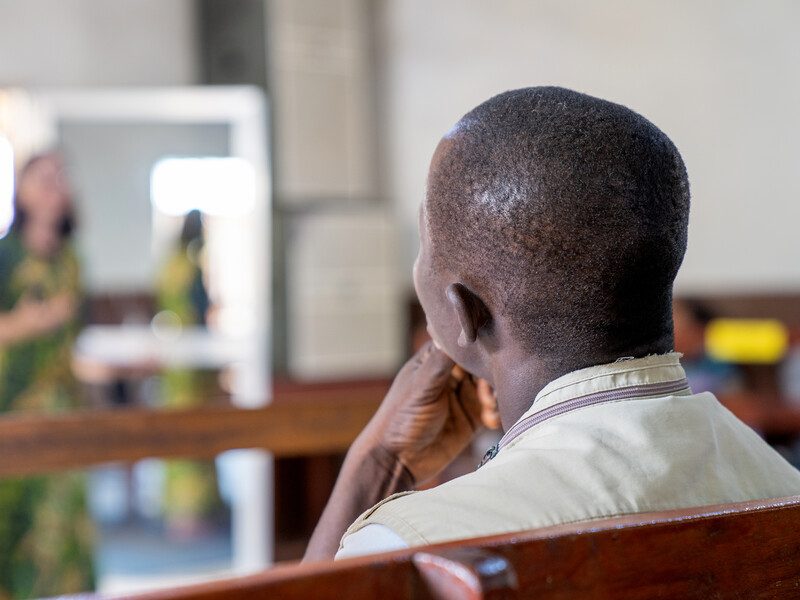
Through repeat visits to a West African port, OM’s Ship Ministry partners with a local pastor for ongoing impact and community transformation.
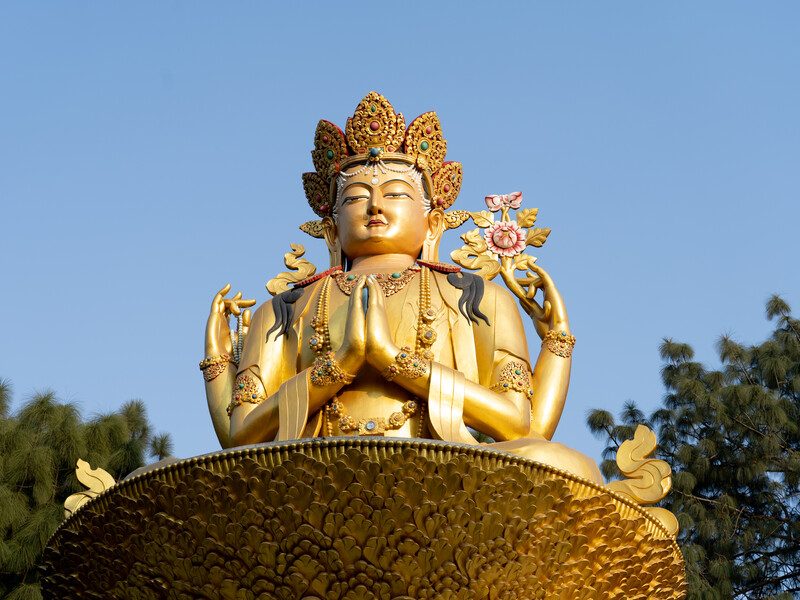
"In my family, traditions and cultural barriers could not keep the love of Jesus from breaking through," I'Ching Chan-Thomas shares.

Eighteen years ago, an OM ministry was formed to support those living with HIV. Today, that ministry has grown.

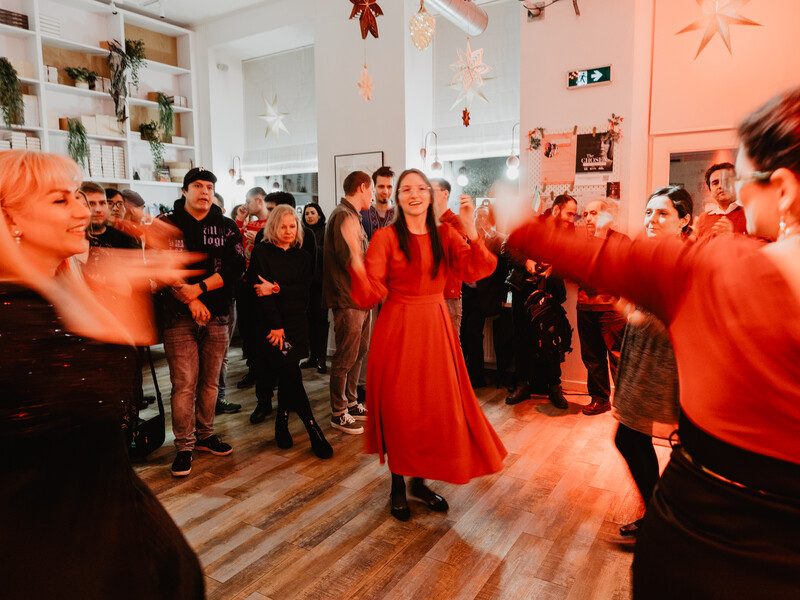
Arwa*, Arman* and their young family came to Poland in search of a better life by establishing a business. They met Weronika, the OM team leader, who works with refugees, and their lives changed in more ways that they could imagine.
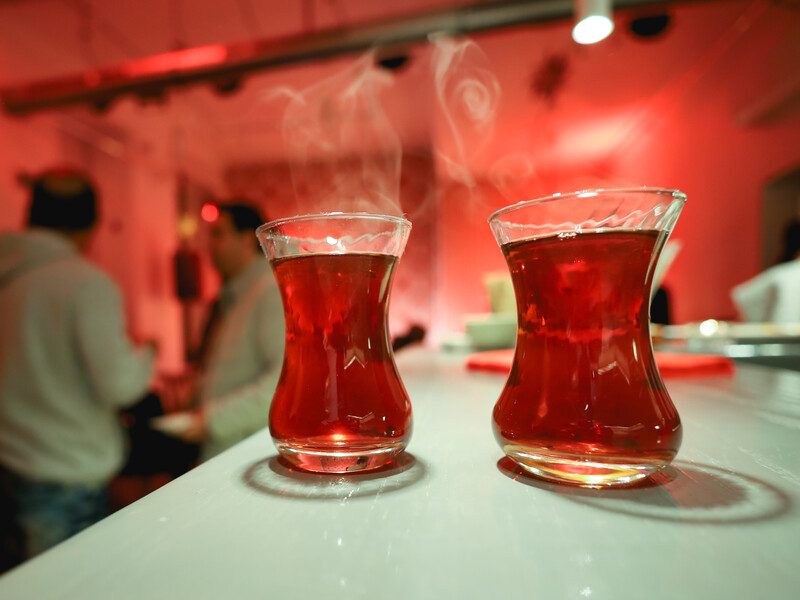
Arwa, Arman and their young children, like many thousands of others, decided to leave their country of origin to seek a better life in Poland. Poland, the bridge between East and West, and a vibrant European nation of 38 million, offers a home for people from other Slavic countries, the Middle East, Asia and Africa who experience limited freedom or access to followers of Jesus and His message of peace and restoration. In seeking economic stability, this family discovered God loves and cares for them personally.
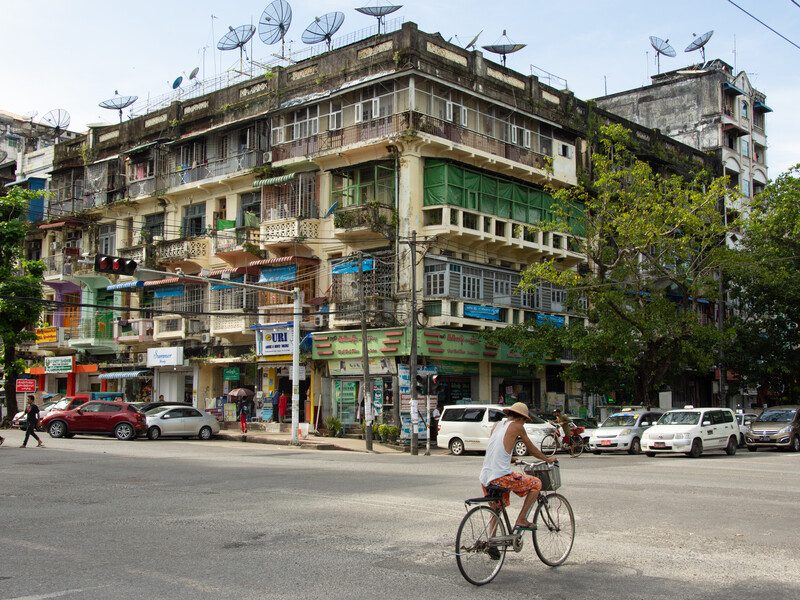
In one country in South-East Asia there has been a great deal of change over the last 16 years: economically, physically, financially and spiritually.
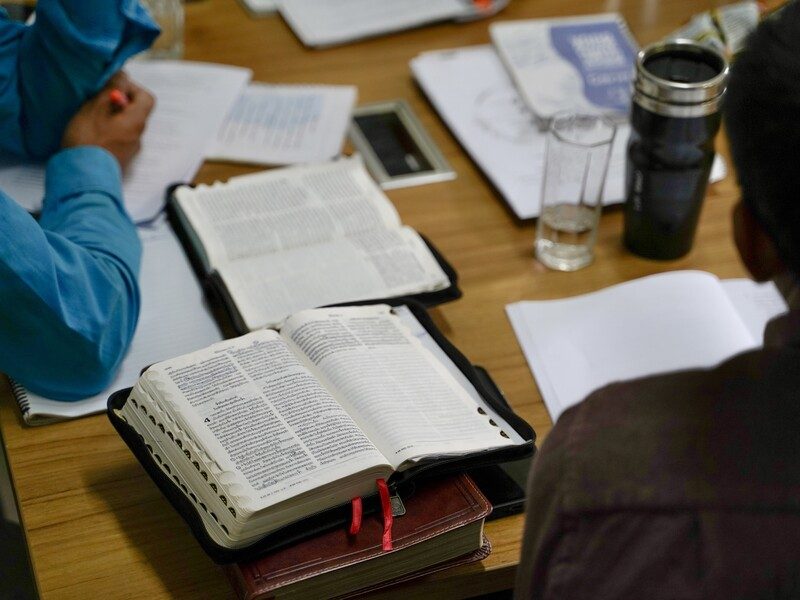
In one of the remaining communist states on earth and the poorest country in South-East Asia, 61 per cent of the population follow Buddha. Yet there is church growth, led by nationals, despite government restrictions and persecution.

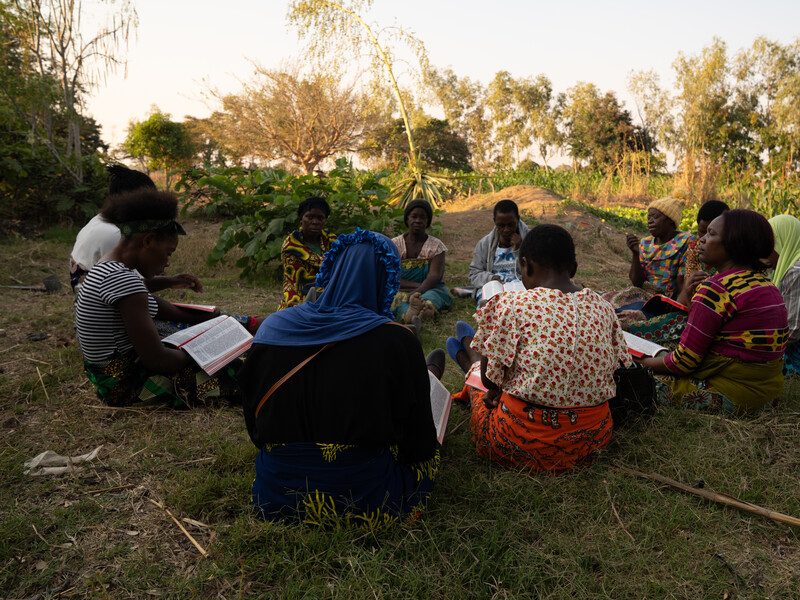
Self-help groups are changing mindsets and transforming lives in Malawi.
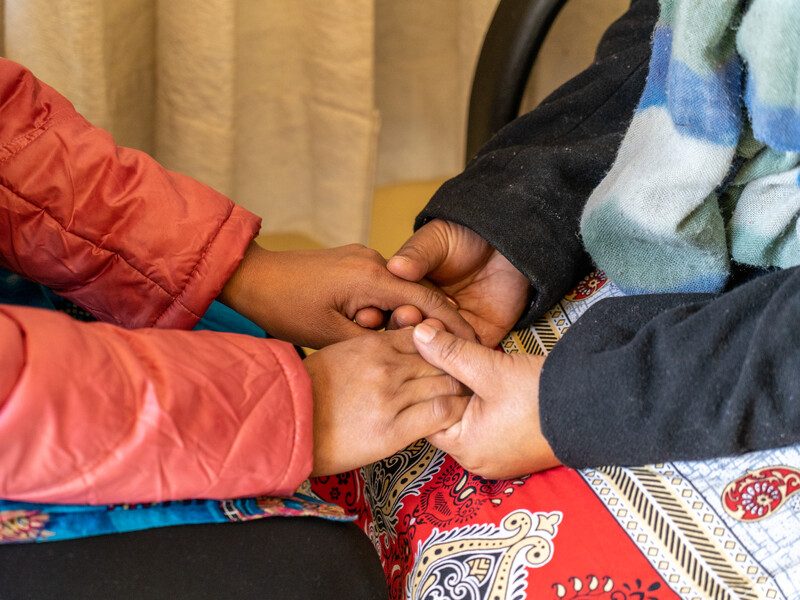
In the Caucasus, prayer opened the door for Arvin and Cristina to connect with people and share Christ's love.
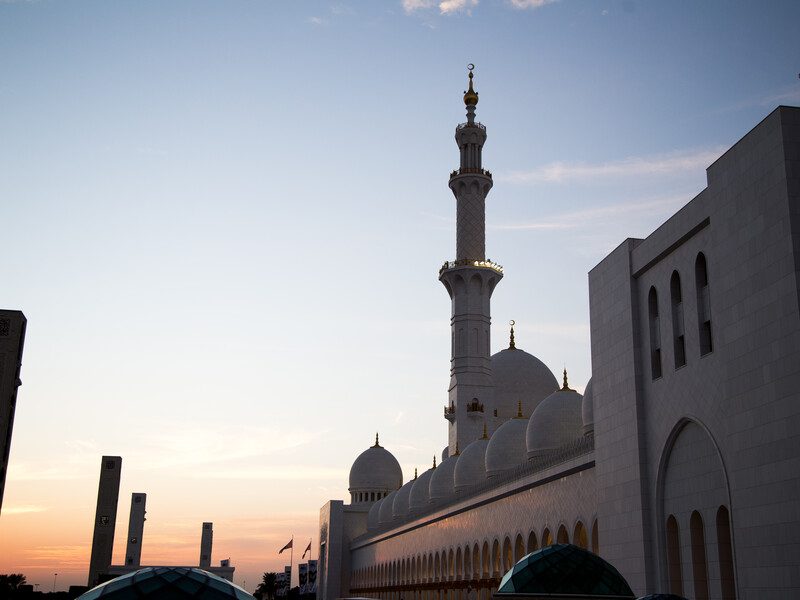
The Arabian Peninsula draws foreign workers, including Jesus followers, to come with their families, who benefit from growing up in a cross-cultural environment and can be helped to be disciple makers among themselves and the least reached in the AP.
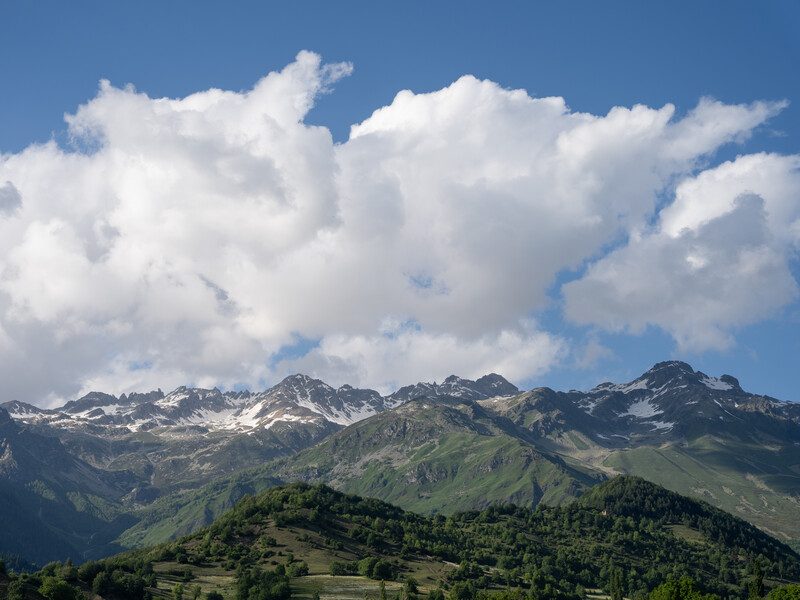
Arvin* and Cristina* are Colombians with a rich family heritage of Jesus followers. Starting married life in Ecuador, God then sent them to Kosovo, and subsequently to different parts of the Caucasus. No part of their painful, surprising, wonderful, prayer-rich experience has been wasted as they have trusted in God to reach out to others.
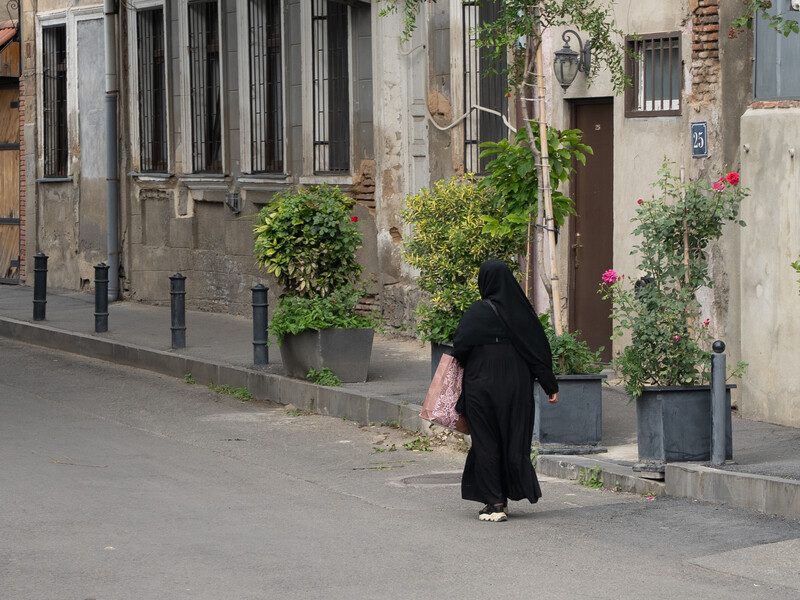
God is bringing all things together for good in the Caucasus, through His people, via one Colombian family willing to trust God and walk in His ways.